Some spring activities ask for a lot of energy.
This is not one of them.
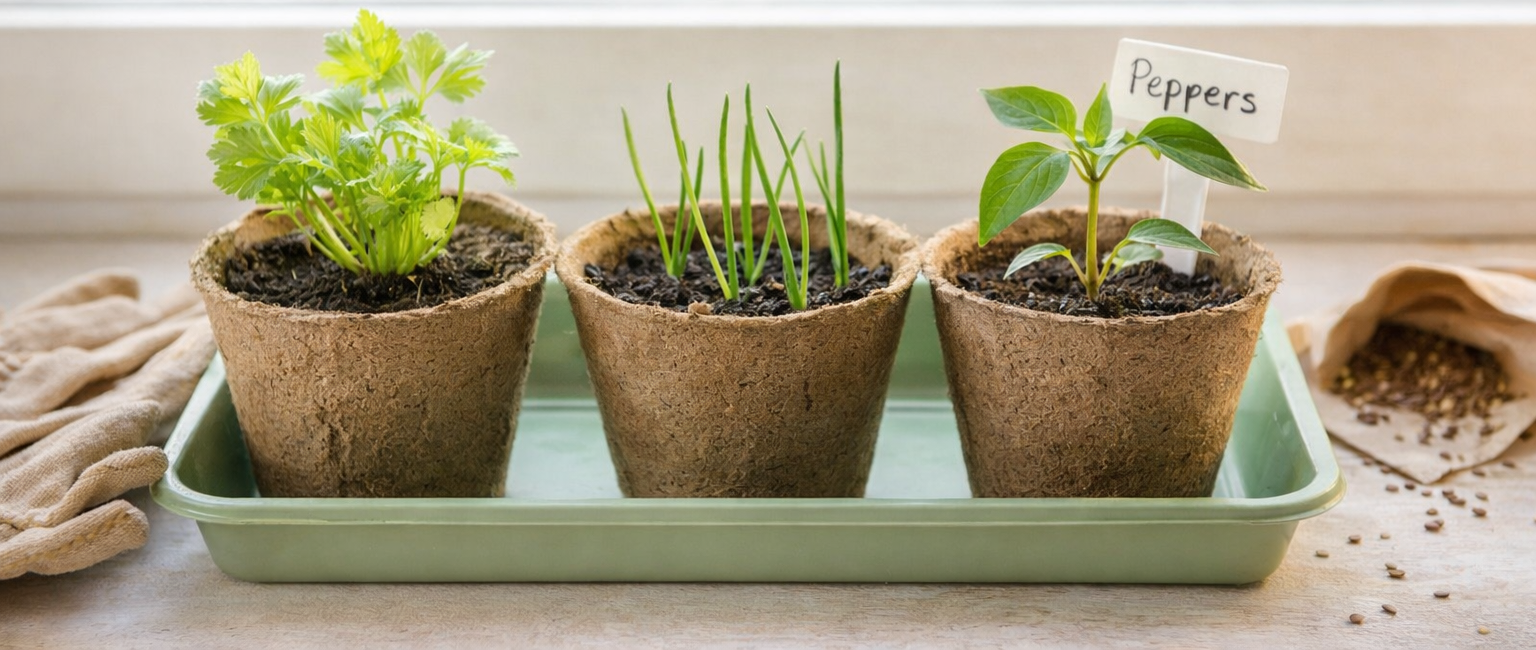
Starting a few seeds indoors can be a calm, meaningful way to welcome the season—especially for seniors and caregivers who need activities to feel simple, flexible, and low-pressure. You do not need a garden plan, a greenhouse, or a perfect setup. A sunny windowsill, a few seed packets, and one small tray can be more than enough.
For many caregivers, the best activities are the ones that offer a little purpose without creating more stress. Seed-starting can do exactly that. It gives your hands something gentle to do, adds a small rhythm to the week, and creates something to look forward to together.
If you are looking for an easy spring activity to do at home, here are a few simple ideas for getting started.
Why seed-starting can be a calming activity
There is something quietly comforting about planting something small and checking in on it over time.
For seniors, seed-starting can offer:
- a simple seasonal activity
- a gentle sensory experience
- a reason to notice small daily changes
- a feeling of care, purpose, and participation
For caregivers, it can be a helpful kind of activity too. There is no need to fill a whole afternoon. Even ten or fifteen minutes can feel meaningful. You can do one small step, set it aside, and come back later.
That is part of what makes it such a gentle fit for caregiving life. It does not need to be done perfectly. It only needs to feel manageable.
If simple, low-pressure activities have been helping lately, you may also enjoy The Cozy Activity Basket: A Gentle Setup for Calm, Low-Stress Days, which follows the same idea: make it easier to begin, and the whole day can feel softer.
Easy seeds to start indoors together
If you are doing this with an older adult, simpler is usually better. Choose seeds that are easy to handle, quick to sprout, or satisfying to watch.
A few gentle options include:
- microgreens – very fast, easy, and encouraging
- lettuce – soft, familiar, and simple to sow
- basil – lovely if you want something fragrant
- parsley – slow, but familiar and useful
- peas – larger seeds that are easier to hold
- sunflowers – cheerful and easy to notice as they grow
You do not need many kinds. One or two is enough for a lovely spring project.
If hand strength, attention, or energy is limited, larger seeds like peas or sunflowers may feel easier than tiny herb seeds. If you want the quickest reward, microgreens are often the gentlest place to begin.
The easiest option: microgreens
If you only try one thing, I would start here.
Microgreens are one of the simplest indoor growing projects for seniors and caregivers because they are:
- quick to sprout
- easy to see
- satisfying in just a short time
- forgiving in small spaces
They do not ask for a big commitment. You sprinkle the seeds, keep the soil lightly moist, and watch for those first small green shoots.
That quick progress can be especially encouraging on caregiving days when energy feels limited. There is something lovely about doing one tiny seasonal thing and seeing a gentle result not long after.
This kind of low-effort setup reminds me a little of gentle kitchen prep for tired days: small steps now can make the next moment feel easier. If that rhythm speaks to you, you might also like A Gentle Kitchen Prep for Caregivers: 5 Small Things That Make Mealtimes Easier.
A simple supply list
You do not need much to begin.
A very simple setup might include:
- one shallow tray, pot, or recycled container
- seed-starting mix or light potting soil
- one or two seed packets
- a spoon or small scoop
- a sunny windowsill
- a small watering can, cup, or spray bottle
That is enough.
If a full setup feels like too much, you can prepare everything in advance and only do the planting part together. Sometimes the most supportive version of an activity is the one with fewer steps in the moment.
Gentle ways to make this activity senior-friendly
A few small adjustments can make indoor seed-starting more comfortable and enjoyable.
You might try:
- setting everything out before you begin
- using a tray to keep supplies contained
- choosing larger seeds when possible
- working seated at a table
- doing just one container instead of several
- focusing on the sensory parts: touching soil, noticing color, seeing new growth
- letting the activity be short
This does not need to become a full gardening project unless you both want it to. It can simply be one calm seasonal moment.
That same gentle approach can help in many parts of caregiving life. Keeping choices simple, reducing setup, and making tasks easier to begin often matters more than doing more. If that has been helpful in your home, you may also appreciate Dressing with Dementia: A Gentle Two-Choices Approach for Calmer Mornings.
One small tray is enough
This may be the most important reminder of all.
You do not need a full indoor garden. You do not need matching pots. You do not need to turn this into a big spring project.
One small tray is enough.
One packet of seeds is enough.
One quiet moment at the table is enough.
In caregiving, small things often carry more meaning than elaborate ones. A brief shared activity, a little sign of the season, a reason to check the windowsill tomorrow—these can matter more than we expect.
A gentle spring activity to come back to
If you are caring for someone at home, it can be surprisingly comforting to have one simple activity that unfolds slowly across the days.
Indoor seed-starting gives you that. It offers something living, seasonal, and hopeful—without asking for too much all at once.
And if some days it turns into nothing more than watering one small tray and noticing that something green has appeared, that still counts as something lovely.
If you are building a calmer rhythm for the season, you may also like browsing my Caregiver Resources, where I keep a growing collection of gentle ideas, supportive routines, and meaningful activities for caregivers and seniors.