Tag: senior activities

  • A Gentle Easter Story Activity for Seniors and Caregivers

    A Gentle Easter Story Activity for Seniors and Caregivers

    Not every Easter activity needs to be hands-on, busy, or full of preparation.

    Sometimes the quietest moments are the ones that stay with us most.

    A short Easter story, a few gentle questions, and a calm place to sit together can be enough to make the day feel warm, seasonal, and shared. For seniors and caregivers, this kind of simple activity can offer connection without pressure — especially on days when energy is low or a bigger activity feels like too much.

    Why storytelling can work so well at Easter

    Easter often comes with a lot of expectations.

    There may be meals to prepare, decorations to put out, family visits to think about, and activities to organize. But not every Easter moment has to be lively or elaborate to feel meaningful.

    A simple story can create a softer kind of Easter moment.

    It gives you something gentle to share. It opens the door to conversation without forcing it. And it can help the day feel seasonal and special, even if everything else stays very simple.

    If you’ve already been thinking about low-pressure Easter ideas, you may also enjoy Gentle Easter Moments: Simple Activities to Share With Someone You Care For, which shares a few other quiet ways to make the holiday feel warm and connected.

    A small activity with room to breathe

    One of the loveliest things about a story-based activity is that it leaves plenty of room.

    You can read one short story and stop there.

    You can read just a few lines and let the conversation wander somewhere else.

    You can choose one question, or none at all.

    There is no craft to finish, no perfect answer to give, and no pressure to “do Easter properly.” It is simply a gentle way to sit together and share a moment.

    That can be especially comforting during caregiving seasons, when a calm activity often feels more realistic than a busy one.

    Gentle Easter story themes that feel familiar and easy

    When you’re choosing stories or conversation prompts for seniors, it often helps to stay close to familiar, everyday Easter moments.

    Simple themes tend to feel more inviting than anything too complicated.

    You might choose stories about:

    • dyed Easter eggs on the kitchen table
    • a vase of spring flowers by the window
    • a simple Easter table with little treats
    • a short Easter afternoon walk
    • a cup of tea and a small Easter sweet

    These kinds of images feel soft, seasonal, and easy to picture. They can invite memories, preferences, or small observations without turning the moment into a test.

    That is one reason color can matter, too. Bright but gentle shades often make seasonal activities feel easier to notice and more cheerful to enjoy. If that idea resonates with you, you might also like Why Colors Matter in Dementia Care: Gentle Shades That Can Support Calm, Comfort, and Connection.

    How to use a simple Easter story activity

    You do not need a complicated setup.

    A comfortable chair, a printed page, and a quiet few minutes are enough.

    Here are a few simple ways to make it feel easier:

    • read just one story at a time
    • keep the pace slow and unhurried
    • choose only one or two questions
    • allow pauses and silence
    • let the conversation move naturally
    • stop whenever it feels right

    Some days, the story itself may be enough.

    Other days, one small question might lead to a lovely memory about Easter meals, decorating eggs, spring flowers, or family traditions.

    If you’re planning a few Easter activities this week, a storytelling moment can also pair beautifully with something hands-on, like Easter Egg Decorating for Seniors and Caregivers or a quiet seasonal idea like A Gentle One-Pot Garden Activity for Caregivers and Seniors.

    Why this can feel easier than conversation alone

    Sometimes starting a conversation directly can feel hard.

    A question asked out of nowhere may feel too open, too sudden, or simply too tiring.

    A short story gives the conversation somewhere soft to begin.

    Instead of asking someone to come up with something from nothing, you are offering an image, a moment, or a familiar little scene. From there, it can feel easier to respond with:

    • “I remember that”
    • “We used to do that”
    • “I liked the yellow ones best”
    • “That sounds nice”

    Even a small response can make the moment feel shared.

    A gentle example

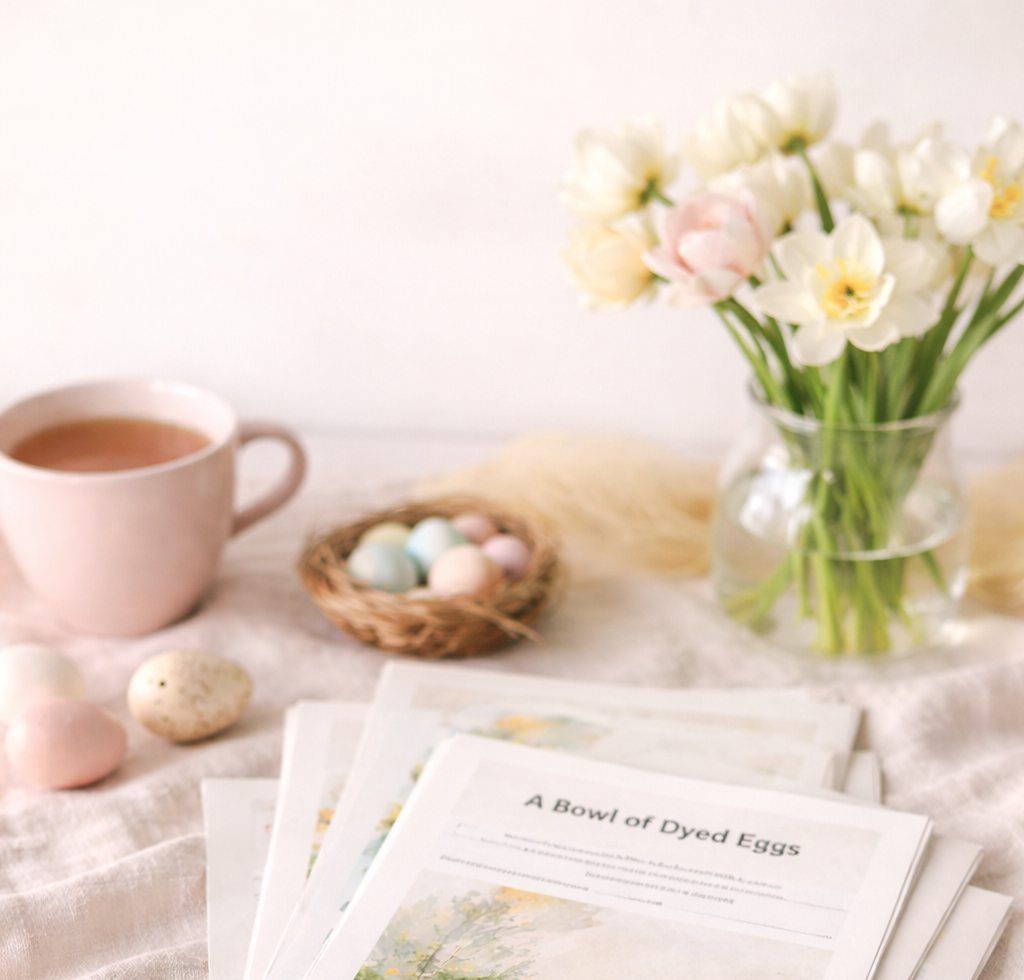
    Imagine reading a short story about a bowl of dyed eggs sitting on the kitchen table — pale blue, soft pink, cheerful yellow.

    After reading, you might ask:

    • Did you ever dye Easter eggs at home?
    • Which Easter color do you like best?
    • Did your family keep things simple or get creative?

    That is enough.

    You do not need a long conversation for the activity to “count.” The point is not performance. The point is connection.

    A printable way to make this easier

    If you like the idea of a calm Easter storytelling activity but don’t want to create everything from scratch, I put together a simple printable called Short Easter Stories for Seniors with Conversation Questions in my Etsy shop.

    It includes short, large-print Easter-themed stories with gentle prompts designed for shared time, quiet visits, and low-pressure holiday moments. I made it to be easy to use — simple to print, simple to read, and simple to pick up when you want a softer kind of Easter activity.

    Final thought

    Easter does not have to be full or busy to feel meaningful.

    Sometimes a short story, a gentle question, and a quiet moment together are more than enough.

    And sometimes those small, calm moments become the part of the holiday we remember most.

  • Easter Egg Decorating for Seniors and Caregivers

    Easter Egg Decorating for Seniors and Caregivers

    Not every Easter activity needs to be big, busy, or perfectly planned.

    Sometimes the loveliest moments come from something small: a few eggs, a few gentle colors, and a little time together at the table.

    Easter egg decorating for seniors can be a calm, simple way to share a seasonal moment together. This gentle activity gives caregivers and older adults a low-pressure way to enjoy Easter without too much noise, mess, or expectation.

    If you’re looking for more gentle holiday ideas, you may also enjoy Gentle Easter Moments: Simple Activities to Share With Someone You Care For, where I share a few other quiet, meaningful ways to make Easter feel special without pressure.

    Why this activity works well

    Easter egg decorating can be a lovely shared activity because it’s flexible, familiar, and easy to simplify.

    You can keep it short. You can do just one or two eggs. You can pause whenever needed. And you can make the setup as easy as the day requires.

    For caregiving days, that kind of gentle flexibility matters.

    Keep it simple from the start

    You do not need a big craft setup to make this feel special.

    A simple table, a few easy-to-see colors, and a calm pace are more than enough. Bright colors can make the activity feel cheerful and inviting, and keeping the choices simple can help the whole moment feel lighter and less overwhelming.

    If energy is low, even decorating just one egg is enough.

    If color feels like an important part of the experience, you might also like Why Colors Matter in Dementia Care: Gentle Shades That Can Support Calm, Comfort, and Connection. It’s a gentle reminder that thoughtful, easy-to-see color choices can help an activity feel calmer, simpler, and more inviting.

    Easy ways to decorate eggs together

    Choose the version that feels most comfortable for the person you’re with.

    1. Use store-bought dye kits and keep it minimal

    A simple dye kit can work beautifully if you only use one or two colors and keep the steps easy.

    You do not need to do every color or every technique. Keeping it simple often makes the activity more enjoyable.

    2. Try sticker decorating instead

    If dye feels messy or tiring, stickers can be a wonderful alternative.

    Soft spring stickers, dots, flowers, or simple shapes can still make the eggs feel festive without extra setup.

    3. Use paper eggs for an easier option

    If real eggs feel too delicate or fiddly, paper egg cutouts can work just as well.

    Markers, crayons, or colored pencils can make this version especially easy for table time.

    4. Focus on color, not perfection

    The colors themselves can be part of the joy.

    A bright yellow, soft pink, light blue, or cheerful green can make the whole activity feel fresh and seasonal. There is no need for detailed designs unless that feels fun.

    Gentle ways to make it easier for seniors

    A few small adjustments can make the activity much more comfortable:

    • keep the table uncluttered
    • use easy-to-hold supplies
    • choose only a few colors
    • decorate one egg at a time
    • sit together in good natural light
    • keep the pace slow and unhurried

    If needed, you can prepare everything ahead of time and simply invite the person to choose a color, place a sticker, or help with one small step.

    That is still meaningful participation.

    A calm Easter moment, not a big project

    This is one of those activities that works best when it stays small.

    One egg. One color. One quiet shared moment.

    That can be enough to make the day feel a little more seasonal, a little more connected, and a little more gentle.

    If you’d like even more quiet holiday inspiration, this could pair beautifully with 10 Gentle Easter Activities for Seniors With Dementia, which shares other calm, low-pressure ways to make Easter feel warm and meaningful.

    If real eggs feel like too much

    That is completely okay.

    You can still enjoy the spirit of the activity by decorating paper eggs, coloring printable Easter pages, or simply arranging a few bright spring items together on the table.

    The heart of the activity is not the egg itself.

    It is the shared moment.

    And if you’re looking for another calm, low-pressure activity for a quieter day, you might also enjoy A Gentle One-Pot Garden Activity for Caregivers and Seniors. It has the same gentle rhythm: one small task, one shared moment, and no need to turn it into a big project.

    Final thought

    Holidays do not have to be elaborate to be meaningful.

    Sometimes a calm table, a few simple colors, and one small creative moment together are more than enough.

    And sometimes that is exactly what makes it feel special.

  • A Gentle One-Pot Garden Activity for Caregivers and Seniors 🌿

    A Gentle One-Pot Garden Activity for Caregivers and Seniors 🌿

    Not every day needs a big activity.

    Sometimes one small garden moment is enough.

    This one-pot garden activity for caregivers and seniors is a simple, low-pressure way to share a calm outdoor moment together. There’s no big setup, no complicated plan, and no need to “get the whole garden done.” Just one pot, one small reset, and a few quiet minutes that can make the day feel a little more cared for.

    For full caregiving days, I love activities like this most: soft, flexible, and easy to stop at any point. No pressure. No perfect result. Just a tiny, peaceful win.

    What you’ll need

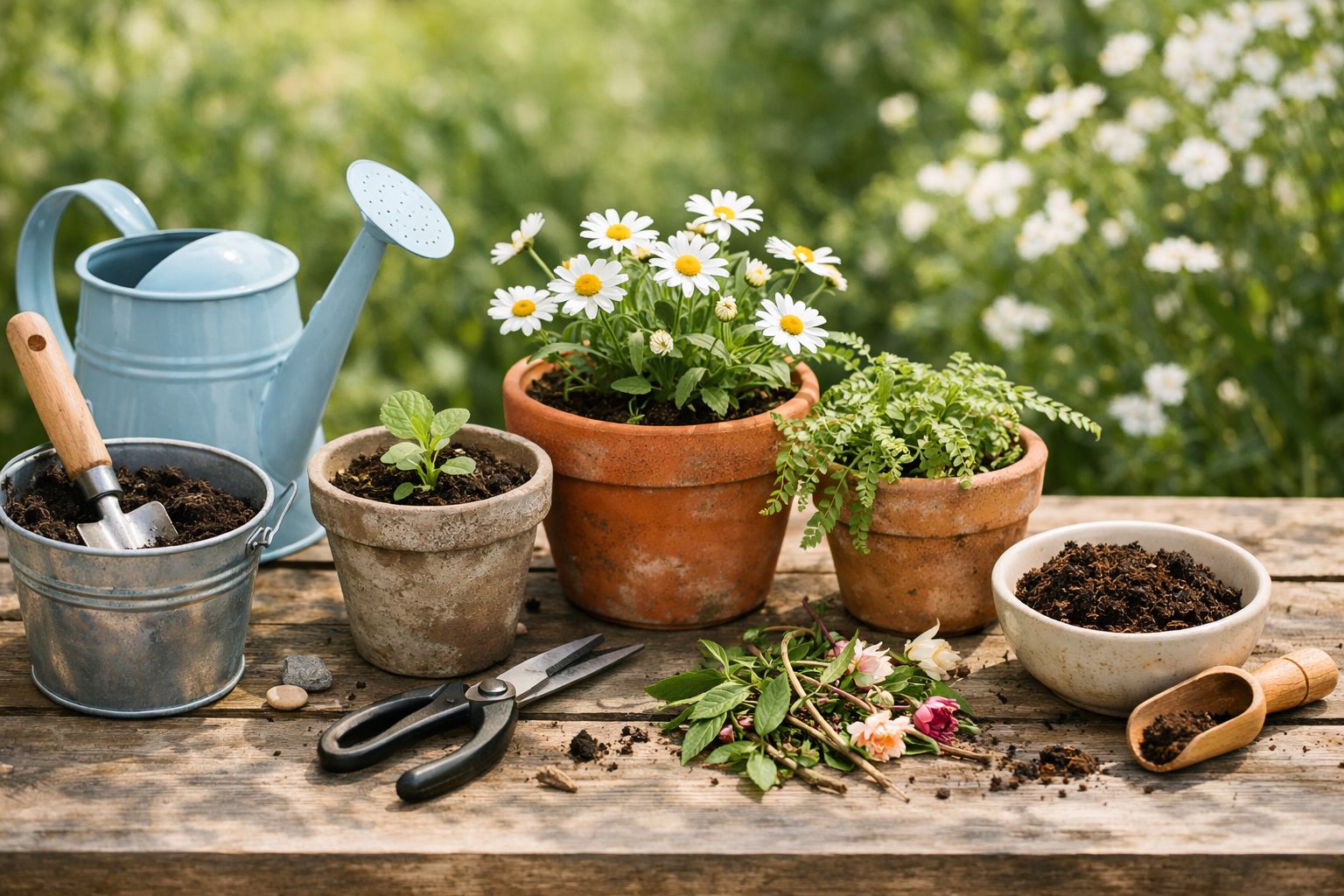
    • a small pot or planter
    • scissors or snips
    • a small bowl for dry leaves or petals
    • a watering can
    • optional: a spoonful of fresh compost or potting mix

    The gentle one-pot reset

    This little ritual takes about 8 to 10 minutes and works beautifully on low-energy days.

    1. Choose one pot only

    Pick one pot that looks a little tired, a little dry, or simply ready for a bit of care.

    Keeping it to one pot helps the activity feel calm and manageable. It also makes it easier for an older adult to stay focused without feeling rushed or overwhelmed.

    2. Clear away the tiny clutter

    Remove dry petals, old leaves, or small bits resting on the soil.

    This is often the most satisfying part, because the pot starts to look fresher right away. Even this one small step can feel like enough.

    3. Loosen the top layer gently

    Use your fingers or a spoon to lightly fluff the topsoil.

    There’s no need to dig deeply or do anything perfectly. A gentle refresh is enough.

    4. Add a little fresh soil, if needed

    If the pot looks tired, add a small spoonful of compost or potting mix.

    This step is optional, but it can make the whole pot feel quietly renewed.

    5. Water slowly

    Finish with a slow, gentle drink for the plant.

    No rush. No need to do more. Just one final caring step to close the activity.

    Why this works well on caregiving days

    Big activities can feel like too much.

    But one small garden task is easier to begin, easier to finish, and easier to enjoy together. It offers a calm shared focus without asking too much from anyone.

    A simple one-pot activity can bring:

    • a gentle change of scene
    • light sensory engagement
    • a quiet shared moment
    • a small feeling of accomplishment
    • a tiny win on an otherwise full day

    And on harder days, even just choosing the pot and watering it is enough.

    This one-pot garden activity for caregivers and seniors works especially well on low-energy days when a calm, simple shared moment feels more manageable than a big outing or project.

    A gentle note for caregivers and seniors

    If you’re doing this with an older adult, it helps to keep everything as easy and comfortable as possible.

    You can make it gentler by:

    • choosing a pot at table height or easy reach
    • using lightweight tools
    • keeping the steps short and unhurried
    • sitting down together if needed
    • focusing on comfort, not productivity

    The goal isn’t to make the plant perfect.

    The goal is to create one calm, doable outdoor moment.

    A simple activity with room to breathe

    This is one of those lovely little activities that doesn’t need much energy, much planning, or much explanation.

    There’s something comforting about caring for one small thing. One pot. One splash of water. One simple reset.

    On caregiving days, that can be more than enough.

    Keep the gentle rhythm going

    If this kind of calm outdoor activity feels right today, you might also enjoy A Gentle Garden Check-In for a Mild Day, which shares another soft and simple way to welcome the season without turning it into a big project.

    And if you’re looking for more low-pressure support at home, Dressing with Dementia: A Gentle “Two Choices” Approach for Calmer Mornings offers another small-step routine that can help reduce overwhelm.

    For days when personal care feels especially heavy, A Calmer Bathing Routine (When Shower Time Feels Hard) may also be a comforting read.

    Final thought

    You do not need a full garden plan to feel the benefit of being outside.

    Sometimes one pot is enough.

    Sometimes one tiny caring task is enough.

    And sometimes that gentle little moment is exactly what the day needed.

  • Dementia Bathing Routine: A Calmer Way Through Shower Time

    Dementia Bathing Routine: A Calmer Way Through Shower Time

    Bathing can be one of the toughest parts of care—especially with dementia. Even when we’re gentle, the situation can feel confusing, exposing, or simply “too much.” I’ve seen it many times: a person who is calm all morning suddenly becomes tense, angry, or even aggressive the moment the bathroom routine begins.

    A dementia bathing routine can feel easier when shower time is approached slowly, gently, and with as much choice and dignity as possible.

    If that’s your reality, you’re not doing anything wrong.
    And your loved one isn’t “being difficult” on purpose.

    Often, what we’re seeing is stress + loss of control showing up in the only way the body knows how.

    One of the most helpful shifts is this:

    Instead of “I’m doing this to you,” we aim for “We’re doing this together.”

    Why involvement changes everything

    When someone feels powerless, their nervous system goes into دفاع mode (fight/flight).
    But when we give them a role—something meaningful to hold, do, or decide—bath time can become less like a “procedure” and more like a shared routine.

    Even small choices can restore dignity:

    • “Do you want the blue towel or the white one?”
    • “Would you like to wash your face first, or your hands?”
    • “Can you hold this for me?”

    The “Give Them a Job” approach (simple, practical, powerful)

    If bathing is triggering agitation, try offering a task right away—before tension escalates.

    Here are a few tried-and-true options:

    • A wash mitt / washcloth
      “Could you help by washing your hands?” or “Would you like to wash your face?”
    • A toothbrush (even if you’ll finish the job later)
      “Let’s do a quick brush while the water warms up.”
    • A small towel
      “Can you hold this and tell me if it feels too cold?”
    • A lotion bottle (cap loosened if needed)
      “Can you put a little on your arms while I get the towel ready?”
    • A comb or hairbrush
      “While we’re here, could you brush a little? I’ll do the back after.”
    • A “special” item that signals routine (a familiar soap, a favorite scent, a soft sponge)
      Familiar objects can cue safety.

    The goal isn’t perfect hygiene in one go.
    The goal is cooperation and calm—and then you build from there.

    Make it feel less like the bathroom “event”

    A few small things that can reduce overwhelm:

    • Warm the room first (cold air can spike distress fast)
    • Explain one step at a time (not the whole plan)
    • Use calm, predictable phrases (same words, same order—routine helps)
    • Cover what you’re not washing (a towel over lap/shoulders = instant dignity)
    • Move slowly and stay neutral
      If you look rushed, the body reads danger.

    If agitation rises: a gentle pivot

    Sometimes the best care is knowing when to pause.

    If you see signs like clenched hands, raised voice, pulling away, “no no no,” try:

    • Step back half a pace
    • Lower your voice
    • Offer the “job” again (something to hold/do)
    • Switch to an easier area (hands/face)
    • Or call it a win for now and try later

    You can always come back.
    You’re playing the long game: safety, trust, dignity.

    A calmer dementia bathing routine may begin with small changes, such as warming the room, preparing towels ahead of time, and explaining each step in a soft voice.

    After the storm: what helps next

    When the bathing moment finally settles, many people still carry leftover stress in their body. That’s where a soft, familiar activity can help them re-ground.

    If you’d like an easy way to set that up, you might enjoy this post:

    A simple “cozy basket” (something to hold, fold, sort, or flip through) can be a lovely bridge back to calm—especially after a hard-care moment.

  • Colors in Dementia Care: Gentle Shades for Calm, Comfort, and Connection

    Colors in Dementia Care: Gentle Shades for Calm, Comfort, and Connection

    When someone is living with dementia, the world can sometimes feel more confusing, overwhelming, or tiring than it used to.

    In moments like these, small things in the environment can matter more than we expect — and color is one of those small things.

    The colors in a room, on a curtain, on a blanket, on a tablecloth, or even on a simple activity page can shape how a space feels: calm or busy, comforting or distracting, easy to rest in or harder to settle into.

    There is no single “perfect” color palette for every person. But gentle, thoughtful color choices can help create a more supportive atmosphere for quiet time, everyday routines, and visits together.

    In this post, I’m sharing a few simple ideas for using color in a more dementia-friendly way — in a home, a care setting, or anywhere you want to create a calmer feeling.

    1. Why color can feel especially important in dementia care

    Dementia can affect the way a person processes information, including visual information. A room that feels normal to one person may feel too busy, too bright, or difficult to read to someone else.

    That’s one reason color can matter in daily life.

    Gentle color choices may help:

    • a room feel calmer
    • reduce visual stress
    • make some everyday items easier to notice
    • support comfort during visits or quiet activities

    Color is not a cure, of course — but it can be one small, meaningful part of a more supportive environment.


    2. Gentle, calming colors that often feel easier to live with

    Many caregivers notice that soft, muted colors feel easier during stressful or tiring days.

    Some often-comforting choices include:

    • soft blues
    • muted greens
    • warm neutrals (cream, beige, soft taupe)
    • dusty rose / soft blush
    • gentle lavender
    • warm light gray (not too cool)

    These kinds of shades can make a space feel:

    • less visually “loud”
    • more restful
    • easier to stay in for longer periods
    • comforting during quiet moments

    A gentle reminder: familiarity matters too

    What feels calming is very personal.

    For one person, a warm peach tone may feel comforting because it reminds them of a familiar room or a favorite blanket. For someone else, soft blue may feel more peaceful.

    In dementia care, familiar and comforting often matters more than “perfect design.”


    3. Colors and patterns that may feel overwhelming in some spaces

    This doesn’t mean bright colors are bad. Bright colors can be joyful, meaningful, and helpful in the right place.

    But in spaces meant for rest or calm, too much visual intensity can sometimes feel overstimulating.

    It may help to use less of:

    • harsh, high-contrast color combinations
    • neon tones
    • very busy multicolor patterns
    • shiny or reflective surfaces that create visual “noise”

    If a room already feels a little busy, even one small change — like a calmer curtain, a plain blanket, or a less patterned tablecloth — can sometimes make a noticeable difference.


    4. Easy ways to bring in calming color (without redecorating everything)

    You don’t need to redo an entire room.

    Small changes can still help create a gentler atmosphere.

    Simple places to start

    • blankets or throws
    • cushion covers
    • curtains
    • bed linens
    • placemats or tablecloths
    • favorite mugs or cups
    • storage baskets
    • printable activities and coloring pages

    A more consistent, gentle palette in everyday items can make a space feel less visually tiring — and often more comforting.

    5. Color can also support connection during visits

    Color is not only about decoration. It can also support emotional comfort and connection.

    For example:

    • a familiar floral pattern in soft colors may spark a memory
    • a favorite colored mug may feel grounding
    • a gentle coloring page may make it easier to spend quiet time together
    • a calm visual setting can make visits feel less pressured

    Sometimes conversation flows. Sometimes it doesn’t.

    A calm activity and a calmer environment can help make “being together” feel easier, even when words are hard.


    6. Gentle coloring pages as a calm, low-pressure activity

    Coloring is not just for children. For many seniors (including people living with dementia), simple coloring pages can offer:

    • a gentle focus
    • a quiet rhythm
    • less pressure than conversation
    • a shared activity during visits

    What often helps most:

    • large-print / large shapes
    • simple designs
    • clear outlines
    • less clutter on the page
    • no pressure to finish

    If you’d like a gentle place to start, I have a few free printable options in my freebies library:

    👉 Browse the Freebies Library

    And if you’re looking for more printable coloring pages in the same calm, simple style, I also make a few senior-friendly options in my Etsy shop:

    (These are designed to be simple, gentle, and easy to use for quiet moments — not perfect results.)

    7. A gentle way to test what feels best

    If you’re not sure which colors feel most comfortable, try a simple “one small change” approach:

    1. Change one small thing (for example, a blanket, cushion cover, or activity page)
    2. Notice how the room feels for a few days
    3. Keep what feels calmer, easier, or more comforting

    No pressure. No perfect palette needed.

    In dementia care, the goal is not perfection — it’s comfort, support, and connection.


    Final thoughts

    The colors around us can’t remove every hard moment, but they can shape the feeling of a room.

    And sometimes, a calmer room helps create a calmer moment.

    Small, simple supports matter.

    If you’re a caregiver, family member, or activity coordinator, I hope this gives you one or two gentle ideas to try. You don’t need to change everything at once — even small shifts can help.

  • A Gentle Indoor Seed-Starting Activity for Seniors and Caregivers

    A Gentle Indoor Seed-Starting Activity for Seniors and Caregivers

    Some spring activities ask for a lot of energy.

    This is not one of them.

    Starting a few seeds indoors can be a calm, meaningful way to welcome the season—especially for seniors and caregivers who need activities to feel simple, flexible, and low-pressure. You do not need a garden plan, a greenhouse, or a perfect setup. A sunny windowsill, a few seed packets, and one small tray can be more than enough.

    For many caregivers, the best activities are the ones that offer a little purpose without creating more stress. Seed-starting can do exactly that. It gives your hands something gentle to do, adds a small rhythm to the week, and creates something to look forward to together.

    If you are looking for an easy spring activity to do at home, here are a few simple ideas for getting started.

    Why seed-starting can be a calming activity

    There is something quietly comforting about planting something small and checking in on it over time.

    For seniors, seed-starting can offer:

    • a simple seasonal activity
    • a gentle sensory experience
    • a reason to notice small daily changes
    • a feeling of care, purpose, and participation

    For caregivers, it can be a helpful kind of activity too. There is no need to fill a whole afternoon. Even ten or fifteen minutes can feel meaningful. You can do one small step, set it aside, and come back later.

    That is part of what makes it such a gentle fit for caregiving life. It does not need to be done perfectly. It only needs to feel manageable.

    If simple, low-pressure activities have been helping lately, you may also enjoy The Cozy Activity Basket: A Gentle Setup for Calm, Low-Stress Days, which follows the same idea: make it easier to begin, and the whole day can feel softer.

    Easy seeds to start indoors together

    If you are doing this with an older adult, simpler is usually better. Choose seeds that are easy to handle, quick to sprout, or satisfying to watch.

    A few gentle options include:

    • microgreens – very fast, easy, and encouraging
    • lettuce – soft, familiar, and simple to sow
    • basil – lovely if you want something fragrant
    • parsley – slow, but familiar and useful
    • peas – larger seeds that are easier to hold
    • sunflowers – cheerful and easy to notice as they grow

    You do not need many kinds. One or two is enough for a lovely spring project.

    If hand strength, attention, or energy is limited, larger seeds like peas or sunflowers may feel easier than tiny herb seeds. If you want the quickest reward, microgreens are often the gentlest place to begin.

    The easiest option: microgreens

    If you only try one thing, I would start here.

    Microgreens are one of the simplest indoor growing projects for seniors and caregivers because they are:

    • quick to sprout
    • easy to see
    • satisfying in just a short time
    • forgiving in small spaces

    They do not ask for a big commitment. You sprinkle the seeds, keep the soil lightly moist, and watch for those first small green shoots.

    That quick progress can be especially encouraging on caregiving days when energy feels limited. There is something lovely about doing one tiny seasonal thing and seeing a gentle result not long after.

    This kind of low-effort setup reminds me a little of gentle kitchen prep for tired days: small steps now can make the next moment feel easier. If that rhythm speaks to you, you might also like A Gentle Kitchen Prep for Caregivers: 5 Small Things That Make Mealtimes Easier.

    A simple supply list

    You do not need much to begin.

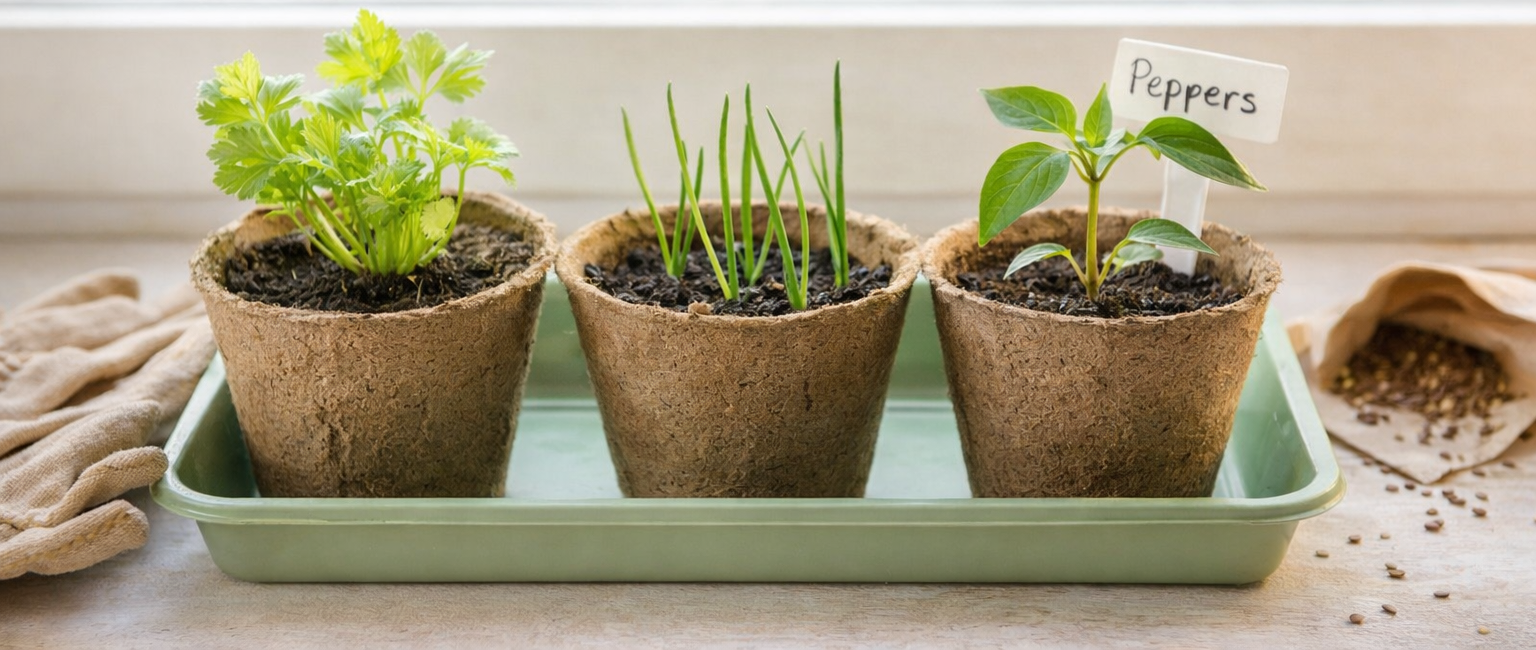
    A very simple setup might include:

    • one shallow tray, pot, or recycled container
    • seed-starting mix or light potting soil
    • one or two seed packets
    • a spoon or small scoop
    • a sunny windowsill
    • a small watering can, cup, or spray bottle

    That is enough.

    If a full setup feels like too much, you can prepare everything in advance and only do the planting part together. Sometimes the most supportive version of an activity is the one with fewer steps in the moment.

    Gentle ways to make this activity senior-friendly

    A few small adjustments can make indoor seed-starting more comfortable and enjoyable.

    You might try:

    • setting everything out before you begin
    • using a tray to keep supplies contained
    • choosing larger seeds when possible
    • working seated at a table
    • doing just one container instead of several
    • focusing on the sensory parts: touching soil, noticing color, seeing new growth
    • letting the activity be short

    This does not need to become a full gardening project unless you both want it to. It can simply be one calm seasonal moment.

    That same gentle approach can help in many parts of caregiving life. Keeping choices simple, reducing setup, and making tasks easier to begin often matters more than doing more. If that has been helpful in your home, you may also appreciate Dressing with Dementia: A Gentle Two-Choices Approach for Calmer Mornings.

    One small tray is enough

    This may be the most important reminder of all.

    You do not need a full indoor garden. You do not need matching pots. You do not need to turn this into a big spring project.

    One small tray is enough.

    One packet of seeds is enough.

    One quiet moment at the table is enough.

    In caregiving, small things often carry more meaning than elaborate ones. A brief shared activity, a little sign of the season, a reason to check the windowsill tomorrow—these can matter more than we expect.

    A gentle spring activity to come back to

    If you are caring for someone at home, it can be surprisingly comforting to have one simple activity that unfolds slowly across the days.

    Indoor seed-starting gives you that. It offers something living, seasonal, and hopeful—without asking for too much all at once.

    And if some days it turns into nothing more than watering one small tray and noticing that something green has appeared, that still counts as something lovely.

    If you are building a calmer rhythm for the season, you may also like browsing my Caregiver Resources, where I keep a growing collection of gentle ideas, supportive routines, and meaningful activities for caregivers and seniors.

  • Gentle Conversation Starters for Seniors: Small Questions, Big Connection

    Gentle Conversation Starters for Seniors: Small Questions, Big Connection

    A calm, low-pressure way to spark meaningful conversations with seniors—especially on days when “How are you?” doesn’t go anywhere.

    There’s a special kind of quiet that can happen during family visits.

    You finally sit down together. Tea is poured. Everyone is “fine.”
    And then… the conversation stalls.

    Not because you don’t care.
    Not because there’s nothing to say.
    But because sometimes the usual questions—“How are you?” “How was your day?”—feel too big, too vague, or just… too tired.

    That’s why I love gentle conversation starters.

    They’re small, friendly questions that don’t demand perfect memory or deep emotional energy—but still invite connection. And very often, they open the door to something beautiful: laughter, a story you’ve never heard, or a moment that feels like “Oh, there you are.”


    Why conversation matters (especially with seniors)

    Meaningful conversation isn’t just “nice to have.” It can be grounding.

    For many seniors (and for many families), conversation helps with:

    • Feeling seen and included (not just “taken care of”)
    • Reducing loneliness through simple daily connection
    • Gentle memory stimulation—without turning it into a test
    • Strengthening family bonds across generations
    • Creating calm structure during visits, phone calls, or caregiving routines

    And for caregivers?
    Having a few ready-to-go prompts can ease the pressure of feeling like you have to perform conversation.


    A helpful mindset: don’t chase “perfect memory”

    A quick note that can change everything:

    You don’t need exact dates, names, or details for a conversation to be meaningful.

    Sometimes the goal isn’t accuracy.
    It’s comfort, connection, and emotional safety.

    If a question doesn’t land, just let it float by and try another. If a story repeats, you can treat it like a favorite song—familiar, comforting, worth hearing again.


    12 gentle conversation starters you can use today

    Here are a few low-pressure prompts that work well for seniors (and honestly, for anyone):

    1. What’s something small that made you smile recently?
    2. What’s a cozy meal you’ve always loved?
    3. If you could spend a day anywhere you’ve been before, where would you go?
    4. What’s something you were really good at when you were younger?
    5. What did a “perfect weekend” look like when you were in your 20s?
    6. What’s a song that still feels like a good memory?
    7. Did you have a favorite teacher—or a subject you liked?
    8. What’s one thing you’ve learned about people over the years?
    9. What’s a smell that brings you back to a specific place?
    10. What’s something you used to do for fun that people don’t do as much now?
    11. What’s a small tradition you remember from your family?
    12. What’s one thing you’d tell your younger self (gently)?

    If you want to keep it extra easy: pick one question and let it be enough.


    How to use prompts without it feeling awkward

    A few simple tips that make conversation starters feel natural:

    • Ask while doing something else (tea, a walk, folding laundry). Side-by-side conversation often flows easier than face-to-face.
    • Follow the energy—if something lights them up, stay there.
    • Offer choices (“Would you rather talk about childhood, work, or travel?”)
    • Keep it short: one good question can carry 15 minutes.
    • End on a warm note: “I loved hearing that.” / “That’s such a good story.”

    When memory is sensitive (dementia-friendly approach)

    If memory is a tender area, you can still have beautiful conversations—just keep prompts:

    • sensory (smells, songs, foods, seasons)
    • emotion-based (what felt comforting, what felt joyful)
    • present-focused (what feels good today)

    And if a question causes frustration, simply pivot:
    “Let’s skip that one—tell me what you’d pick for dessert instead.”

    No pressure. No correction. Just kindness.


    A gentle resource (if you want prompts ready-to-go)

    If you’d like a calm, structured set of prompts you can print and keep nearby, I created a Large Print “Gentle Conversation Starters” workbook—designed for seniors, caregivers, and family visits.

    It includes:

    • 60 gentle prompts
    • large-print pages
    • bonus sections for follow-ups, favorites, and “how to use”
    • A4 + US Letter formats

    If that sounds helpful, you can find it here in my Etsy shop:
    👉

    No pressure—just a gentle tool for the days you want connection without the mental load.

    You don’t need a big conversation to have a meaningful moment.

    Sometimes all it takes is one small question asked with warmth.
    And then you get a story. A laugh. A soft “remember when.”
    A little more togetherness than you had five minutes ago.

    That counts. 💛

  • A Little Garden Indoors: Gentle Coloring for Caregiver Days

    A Little Garden Indoors: Gentle Coloring for Caregiver Days

    Some seasons are made for muddy boots, fresh air, and “just one more thing” in the garden.
    And some seasons… are made for looking out the window, checking the forecast, and realizing that your garden dreams are still on hold for a while.

    If you’re a caregiver (or you love someone who needs a little extra support), you know those “in-between” seasons well. I’m in that world too — both in my work and in my family — and I’ve learned something simple: when the days feel heavy, small rituals matter.

    So until we can truly get back outside, here’s one gentle way to bring a little spring into the living room:

    a quiet cup of tea + one flower coloring page + 15 minutes of “no pressure.”

    No big setup. No complicated instructions. Just a small win.


    Why flowers work (even when energy doesn’t)

    Garden themes are familiar. They don’t feel childish, but they also don’t demand a lot. Flowers are “safe” conversation starters:

    • “Did you have flowers in your garden?”
    • “What was your favorite season?”
    • “Do you remember the smell of lilacs / roses / lavender?”

    Even if words are hard some days, a simple picture can still invite connection.

    And honestly? Sometimes the win is simply sitting side-by-side, sharing the same page, and letting the moment be enough.


    My tiny “Caregiver Corner” coloring ritual (15 minutes)

    Here’s the routine I keep coming back to:

    1. Set a timer for 10–15 minutes
      Short is good. “We can stop anytime” is even better.
    2. Choose one page only
      One page = one activity. Easy to start, easy to finish.
    3. Pick just 1–3 colors
      No need to plan a masterpiece. One color is still a win.
    4. Let it be messy, imperfect, and relaxing
      The goal is calm — not perfection.

    If you’re doing this with someone else, try coloring one small section together (a petal, a leaf, a corner). It turns the page into a shared moment.


    A couple of printing & comfort tips (that actually help)

    • Bold outlines + lots of white space are easier on tired eyes.
    • Try thicker pencils or markers if gripping is difficult.
    • If you print on US Letter but your file is A4, use “Fit to page.”
    • If markers bleed through, print on slightly thicker paper or test one page first.

    Freebie: 2 gentle flower coloring pages (download)

    I wanted to make it easy to try this ritual right away, so here are two free printable flower coloring pages from my Gentle Garden set:

    Freebie: 2 gentle flower coloring pages (PDF)

    Click the link below to download the clean, printable 2-page PDF (A4). Tip: choose “Fit to page” if you print on US Letter.

    Tip: Save them in a folder called “Caregiver Corner – Quick Wins.” Future you will be grateful.


    Want the full set?

    If you’d like more pages in the same simple, calming style, I also made a printable pack with 20 flower coloring pages (bold outlines, uncluttered layout, black & white for easy printing):

    👉 Gentle Garden Flower Coloring Pages (Printable PDF)

    It’s designed to be quick to use — print one page, enjoy the moment, repeat whenever you need it.


    One last thing (from one caregiver heart to another)

    If today feels like a lot: you’re not failing because you can’t do everything.
    Sometimes care looks like big things… and sometimes it looks like a warm drink and a single flower on paper.

    Either way, it counts.