Tag: caregiver support

  • Gentle Printable Support for Caregivers: Calm Moments, Quiet Activities, and Small Daily Tools

    Gentle Printable Support for Caregivers: Calm Moments, Quiet Activities, and Small Daily Tools

    Caregiving asks a lot from us.

    There are practical tasks, of course — meals, appointments, routines, reminders — but there is also the quieter part of caregiving: emotional fatigue, mental overload, low-energy afternoons, and the need for something gentle for both you and your loved one.

    On hard days, support does not always need to be big or complicated.

    Sometimes a small printable tool can help more than we expect: a calming prompt, a quiet activity, a reflection page, or a simple tracker that brings a little more clarity.

    In this post, I wanted to gather a few gentle printable supports that can help in different ways — for caregivers, for seniors, and for those moments when life needs to feel a little softer.

    1. When you need a quick emotional reset

    Some days, you simply need a pause.

    My Caregiver Calm Cards were created for those moments — the ones when you feel overwhelmed, tired, overstimulated, or emotionally stretched.

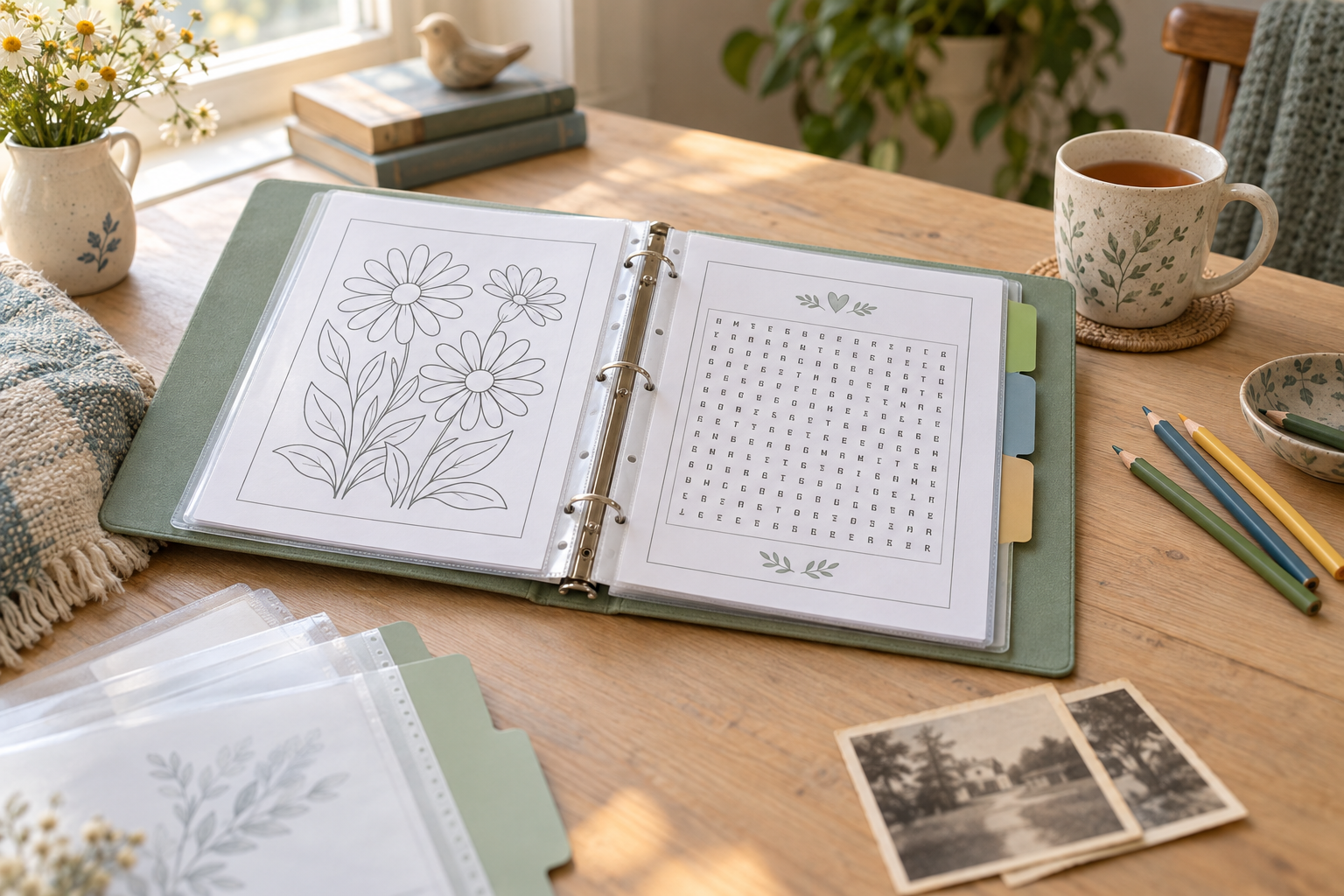
    This printable set includes calm cards, grounding cards, and a few simple reflection pages. The goal is not to add more to your plate, but to offer small, ready-to-use support for hard caregiving days.

    They can be helpful when:

    • you need a calmer response
    • you need one small next step
    • you want a grounding prompt nearby
    • you need a reminder that you are allowed to need support too

    If you’ve been trying to create a gentler home environment, this also pairs well with my post on creating a calm corner at home for seniors.

    2. When your loved one needs a quiet activity

    Not every activity needs to be exciting.

    Sometimes the best activities are the simple ones — especially on low-energy days, quiet afternoons, or moments when too much stimulation does not help.

    My Dementia Activity Bundle for Seniors was made with that in mind. It offers gentle printable activities that support calm engagement, routine, and connection without a lot of prep.

    This kind of printable can be useful when:

    • you need a low-prep activity
    • your loved one benefits from quiet structure
    • you want something simple for an afternoon at home
    • you need easier options on tiring days

    It connects naturally with my post on 7 Quiet Afternoon Activities for Low-Energy Days, where I talk more about calm, manageable activity ideas.

    3. When you need a soft pause of your own

    Caregivers need gentle activities too.

    Not every form of rest looks like lying down. Sometimes it looks like doing something simple with your hands for a few quiet minutes.

    That is why I think printable coloring pages can actually fit into caregiver support in a very natural way.

    My Adult Coloring Pages – Cozy Animals are a low-pressure, calming option for moments when you want something quiet and uncomplicated.

    They can be especially nice:

    • after a long day
    • during a quiet evening
    • when you want a screen-free pause
    • when you need something soothing without effort

    Small creative pauses matter more than we sometimes realize.

    4. When caregiving overlaps with your own body changes

    Many caregivers are also moving through their own physical changes, stress, poor sleep, or shifting energy levels.

    That part matters too.

    My Menopause Wellness Tracker is a gentle printable tool for tracking mood, symptoms, energy, and patterns over time.

    At first, it may seem a little different from the other printables in this post, but I think it still belongs here. Caregiving does not happen outside of our own bodies. Our own stress, cycles, and exhaustion come with us into daily care.

    A simple tracker can help bring a little more awareness and support during a demanding season.

    Support can be small

    One thing I come back to often is this:

    Support does not always need to be life-changing to be meaningful.

    Sometimes it is a card that helps you breathe.
    Sometimes it is a quiet activity for the afternoon.
    Sometimes it is a coloring page that helps you slow down.
    Sometimes it is a tracker that helps you understand your own body a little better.

    These are small things.

    But in caregiving, small things are often the things we can actually use.

    A few gentle printable resources

    If one of these feels helpful for this season, I’ve linked them here:

    You may also enjoy these related posts:

    Caregiving asks a lot. I hope one of these gentle tools helps make a day feel a little lighter.

  • A Gentle Way to Spark Connection: Seasonal Stories for Seniors

    A Gentle Way to Spark Connection: Seasonal Stories for Seniors

    Some days, conversation doesn’t come easily.

    Words feel further away. Questions feel too big. And even simple moments can feel quiet in a way that’s hard to reach.

    In these moments, it helps to have something gentle to hold onto.

    A small starting point.

    A soft invitation into connection.


    Why Stories Work So Well

    Stories don’t ask for perfect memory.

    They don’t require effort or correct answers.

    Instead, they offer:

    • familiarity
    • emotion
    • small entry points into conversation

    A season, a feeling, a simple scene — sometimes that’s all it takes to open a door.


    A Softer Way to Connect

    Seasonal themes can make everything feel more natural.

    Spring, summer, autumn, winter — each one carries its own quiet memories.

    Instead of asking direct questions, you can begin with something like:

    • “This reminds me of spring mornings…”
    • “I used to love this time of year…”

    And let the moment unfold from there.


    Making It Easy (for You, Too)

    Caregiving already asks so much.

    You don’t need to create activities from scratch.

    Having something prepared — something gentle and ready — can make a real difference on low-energy days.

    That’s why I created this:

    👉 Seasonal Stories Printable Bundle for Seniors

    A soft collection of printable story-based pages designed to:

    • spark conversation
    • support memory gently
    • create calm, shared moments

    No pressure. No right answers. Just connection.


    When to Use Gentle Story Prompts

    These work especially well:

    • on quiet afternoons
    • during low-energy days
    • when conversation feels difficult
    • in dementia-friendly routines

    If you’re already exploring quiet activities, you might also like:
    👉 7 Quiet Afternoon Activities for Low-Energy Days


    Create a Calm Space Around It

    The experience matters just as much as the activity.

    A soft corner, a warm drink, a quiet table — these small details help create a sense of safety and ease.

    You can find a simple way to set this up here:
    👉 How to Create a Calm Corner at Home for Seniors


    A Gentle Note for Caregivers

    You don’t have to carry the whole conversation.

    You don’t have to fill every silence.

    Sometimes, a simple prompt is enough.

    Sometimes, just sitting together is enough.

    And sometimes, connection happens in the quietest ways.


    Looking for More Gentle Ideas?

    You can explore more calming activities and caregiver support here:

    👉 Caregiver Resources for Seniors at Home

  • 7 Quiet Afternoon Activities for Low-Energy Days (Seniors & Caregivers)

    7 Quiet Afternoon Activities for Low-Energy Days (Seniors & Caregivers)

    Some afternoons feel slower than others.

    Energy is lower. Focus is softer. And even simple activities can feel like too much.

    On these days, it helps to have a few gentle, low-pressure ideas — the kind that invite calm, not effort.

    Here are seven quiet afternoon activities that can bring comfort, connection, and a sense of ease at home.


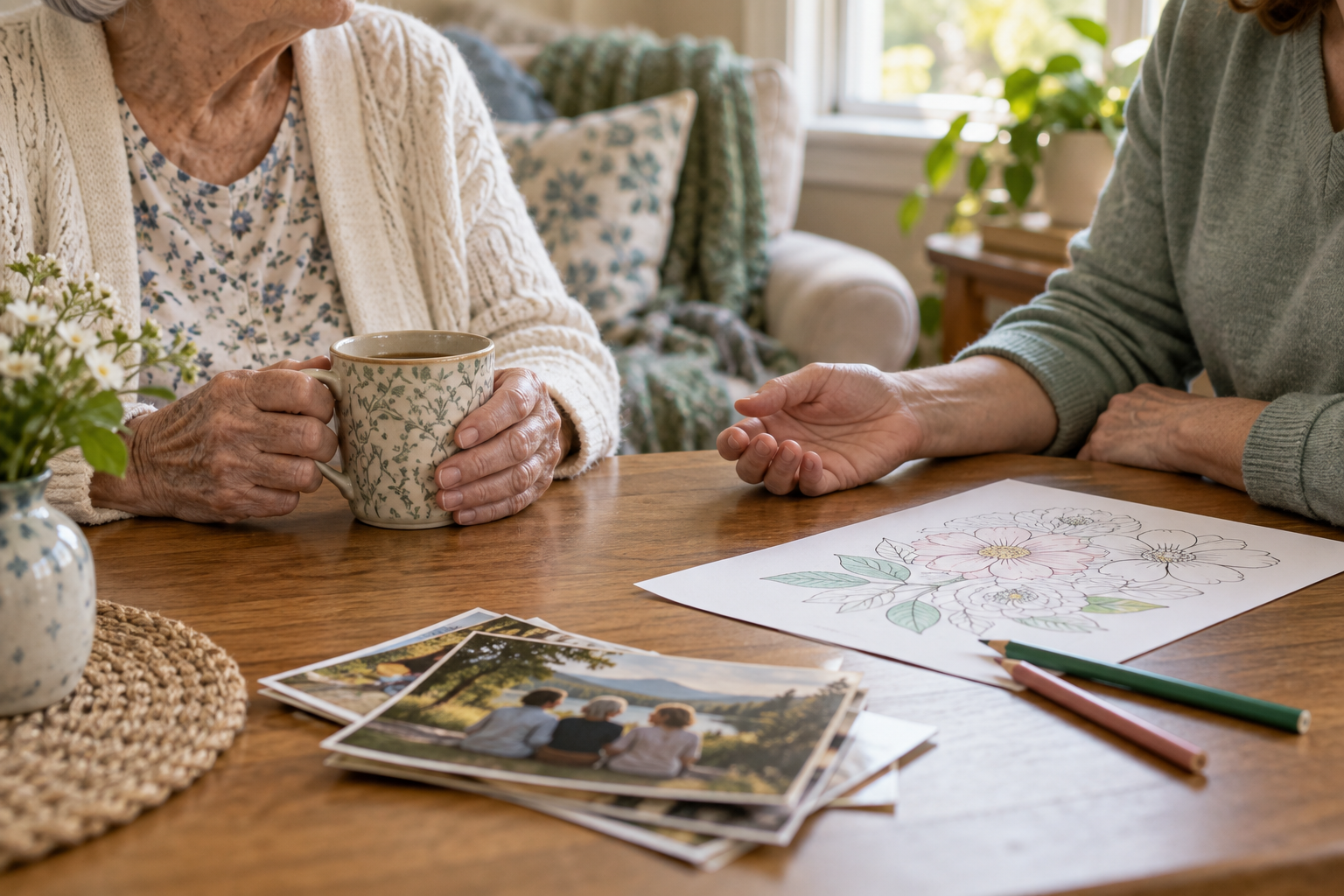
    1. Gentle Coloring Together

    A simple coloring page and a few soft pencils can create a calm, focused moment.

    There’s no right or wrong way to do it — just slow movement, quiet attention, and maybe a soft conversation unfolding along the way.

    If you enjoy this kind of quiet creative time, you might also like creating a small, inviting setup like this:
    👉 The Cozy Activity Basket: A Gentle Setup for Calm, Low-Stress Days

    Tip: Choose large-print or simple floral designs for easier engagement.


    2. Word Searches (With a Twist)

    Word searches can be more than just a puzzle.

    They can spark memories, stories, and small moments of connection — especially when you pause to talk about the words you find.

    If you’d like more gentle ideas like this, you can explore this here:
    👉 A Gentle Way to Spend Time Together: Word Searches for Seniors (and the Stories They Unlock)

    Tip: Keep it light. There’s no need to finish.


    3. A Cup of Tea Ritual

    Sometimes, the activity is simply sitting together.

    Prepare a warm drink, place it on a tray, and take a few minutes to pause.

    No expectations. No agenda. Just a shared moment.


    4. Sorting or Folding

    Folding towels, sorting buttons, or organizing simple items can feel grounding and familiar.

    These small tasks often bring a quiet sense of purpose — without pressure.


    5. Listening to Gentle Music

    Soft, familiar music can shift the atmosphere of the entire room.

    It can calm restlessness, lift mood, and create a sense of safety.

    Tip: Choose songs that feel familiar and comforting.


    6. Looking Through Old Photos

    Flip through a small stack of photos together.

    There’s no need to remember everything — even a single smile, a color, or a place can be enough to create connection.


    7. A Simple Table Activity

    Set up a small, inviting space on the table:

    • a coloring sheet
    • a few pencils
    • a small object (like a flower or fabric)

    Even just sitting near it can gently invite engagement.


    A Gentle Note for Caregivers

    Low-energy days are not empty days.

    They are quieter days. Softer days. Slower days.

    And often, these are the moments where connection happens most naturally — without pressure, without expectations.

    You are doing enough.


    Looking for More Gentle Ideas?

    If you’d like more calming activities, routines, and gentle caregiver support, you can explore everything here:

    👉 Caregiver Resources for Seniors at Home

  • A Gentle Kitchen Reset for Caregivers (When Everything Feels Too Much)

    A Gentle Kitchen Reset for Caregivers (When Everything Feels Too Much)

    Caregiving often happens in the middle of everything else.

    This gentle kitchen organization for caregivers is not about perfection — it’s about making everyday life a little easier.

    Meals to prepare. Small routines to hold together. Decisions to make, over and over again.

    And sometimes, it’s not the big things that feel overwhelming.

    It’s the small ones.

    Like opening a kitchen cabinet and facing a quiet kind of chaos — mismatched containers, missing lids, things you don’t quite need but keep anyway.

    This gentle kitchen reset isn’t about organizing perfectly.

    It’s about making daily life just a little easier.


    The Quiet Weight of Small Decisions

    Every extra choice takes energy.

    Which container fits? Where is the lid? Is this the right size?

    On low-energy days, even these tiny decisions can feel like too much.

    Simplifying your kitchen doesn’t just save time.

    It softens the day.


    A Gentle Reset (No Pressure, No Perfection)

    You don’t need a full clean-out.

    Start small.

    Take out all your containers and lids, and simply look at what’s there.

    No rush. No pressure to finish.

    Just noticing is enough to begin.


    Keep Only What Feels Easy

    Choose a small number of containers that:

    • match easily
    • are simple to open and close
    • feel manageable

    Let go of:

    • mismatched pieces
    • broken lids
    • anything that adds friction

    This isn’t about having less.

    It’s about having what works.


    Make Everyday Moments Simpler

    A calmer kitchen makes small routines easier:

    • preparing a simple meal
    • storing leftovers
    • packing something for later

    These are quiet, repeated moments in caregiving.

    And when they’re easier, the whole day feels lighter.


    Keep It Visible and Accessible

    Place your chosen containers where they’re easy to reach.

    Avoid stacking too much.

    The goal is to reduce searching, lifting, and decision-making.

    Ease over efficiency.

    Always.


    Let It Stay Simple

    It doesn’t have to stay perfect.

    It doesn’t have to stay organized forever.

    This is not a system to maintain.

    It’s a gentle reset you can return to, whenever things start to feel heavy again.


    A Gentle Note for Caregivers

    You don’t need to fix everything.

    You don’t need to organize your whole home.

    Sometimes, easing one small corner of daily life is enough.

    And sometimes, that small shift changes more than you expect.


    Looking for More Gentle Support?

    If you’d like more calming ideas, soft routines, and simple ways to support everyday caregiving, you might find these helpful:

    👉 7 Quiet Afternoon Activities for Low-Energy Days

    👉 How to Create a Calm Corner at Home for Seniors

    Or explore everything here:
    👉 Caregiver Resources for Seniors at Home

  • Dressing with Dementia: A Gentle “Two Choices” Approach for Calmer Mornings

    Dressing with Dementia: A Gentle “Two Choices” Approach for Calmer Mornings

    Small steps, less pressure, and dignity-first routines that actually work on real-life days.

    Some mornings go smoothly. And some mornings feel like a tangle of small decisions that suddenly become too much.

    If you’re caring for someone with dementia, getting dressed can shift from “simple” to surprisingly stressful—fast. Buttons can feel confusing. Fabrics can feel irritating. Choices can feel overwhelming. And when a person doesn’t feel safe or understood, resistance can become their only way to communicate.

    I’m writing this as someone personally affected by dementia in my own family, and also as a caregiver working in a nursing home. I’ve seen how quickly dressing can turn into a power struggle—and how much calmer it becomes when we make the routine smaller, gentler, and more predictable.

    Why dressing can feel hard (and it’s not stubbornness)

    Dementia can change how a person experiences clothing and routine. Dressing may feel difficult because of:

    • too many choices (decision overload)
    • sensory discomfort (scratchy seams, tight waistbands, cold fabric)
    • confusion about steps (what comes first? which side is front?)
    • loss of control (being “told” what to do can feel threatening)
    • temperature misjudgment (feeling cold/hot differently than before)

    The goal isn’t perfect outfits. The goal is comfort, dignity, and less stress for both of you.

    The “Two Choices” method (the simplest tool I come back to)

    When dressing feels tense, try this:

    Offer two options—only two.
    Not a closet full of decisions. Just two calm, gentle choices.

    Examples:

    • “Would you like the blue sweater or the soft beige one?”
    • “Do you want the striped shirt or the plain shirt?”
    • “Would you like pants or a comfortable skirt today?”

    Keep your voice soft and unhurried. Pause. Let them take time.

    If they can’t choose, you can lovingly decide:
    “Okay. I’ll choose the soft one today.”

    (This reduces pressure while still preserving a feeling of choice.)

    Set the stage before you begin (a calmer environment helps)

    Before dressing, try to make the space feel safer:

    • warm the room slightly (or have a cozy cardigan ready)
    • reduce noise (TV off, calmer music on)
    • keep lighting gentle and even
    • lay clothing out in the order it’s needed

    Color and contrast can help too—especially if items blend together visually.

    A gentle step-by-step routine (less thinking, more flowing)

    Try this “small steps” order:

    1. Start with one item only (don’t show everything at once)
    2. Hand them the item instead of pointing to it
    3. Use simple cues: “Arms in,” “Now pull down,” “All done.”
    4. If they struggle, mirror the movement (do it on yourself slowly)
    5. Celebrate tiny progress: “Perfect. That’s it.”

    If something triggers frustration, switch to an easier item and return later.

    Make dressing easier with “quiet clothing”

    In caregiving, I’ve learned that the best clothing on hard days is the clothing that disappears—no fuss, no irritation.

    Look for:

    • soft, familiar fabrics
    • stretchy waistbands
    • front-opening tops (or wide neck openings)
    • easy shoes (Velcro, slip-ons)
    • layers (so temperature changes are easier)

    Avoid when possible:

    • tight collars
    • complicated buttons
    • scratchy tags/seams
    • outfits that require many steps

    When they refuse: what to do (without power struggles)

    Refusal usually means: “I don’t feel safe / I don’t understand / I’m uncomfortable.”

    Try:

    • pause and breathe (your calm helps their nervous system)
    • validate: “This feels annoying. I understand.”
    • offer a reset: “Let’s sit for a minute.”
    • try again with one item, or switch to a softer option
    • consider timing: sometimes later is better

    And if it’s truly not possible that day: it’s okay.
    Comfort first. Dignity always.

    A tiny “cozy basket” trick for dressing days

    Sometimes it helps to pair dressing with something comforting nearby:

    • a warm drink
    • a soft blanket on the chair
    • a familiar scent (hand cream)
    • a simple calming activity while you prepare clothing

    Words that help (gentle phrases to try)

    • “We’ll do this slowly.”
    • “You’re safe.”
    • “I’m right here.”
    • “Let’s do one small step.”
    • “Thank you. You’re doing great.”

    If conversation helps during dressing, you might also like:

    Closing

    If dressing has been a daily struggle in your home, I hope this gives you a softer path to try. The smallest shifts—two choices, fewer steps, gentler words—can bring surprising relief.

    And if today was hard: you’re not failing. You’re caring in a situation that asks a lot of the heart.

    For more support and caregiver-friendly ideas, you can start here:

  • A Gentle One-Pot Garden Activity for Caregivers and Seniors 🌿

    A Gentle One-Pot Garden Activity for Caregivers and Seniors 🌿

    Not every day needs a big activity.

    Sometimes one small garden moment is enough.

    This one-pot garden activity for caregivers and seniors is a simple, low-pressure way to share a calm outdoor moment together. There’s no big setup, no complicated plan, and no need to “get the whole garden done.” Just one pot, one small reset, and a few quiet minutes that can make the day feel a little more cared for.

    For full caregiving days, I love activities like this most: soft, flexible, and easy to stop at any point. No pressure. No perfect result. Just a tiny, peaceful win.

    What you’ll need

    • a small pot or planter
    • scissors or snips
    • a small bowl for dry leaves or petals
    • a watering can
    • optional: a spoonful of fresh compost or potting mix

    The gentle one-pot reset

    This little ritual takes about 8 to 10 minutes and works beautifully on low-energy days.

    1. Choose one pot only

    Pick one pot that looks a little tired, a little dry, or simply ready for a bit of care.

    Keeping it to one pot helps the activity feel calm and manageable. It also makes it easier for an older adult to stay focused without feeling rushed or overwhelmed.

    2. Clear away the tiny clutter

    Remove dry petals, old leaves, or small bits resting on the soil.

    This is often the most satisfying part, because the pot starts to look fresher right away. Even this one small step can feel like enough.

    3. Loosen the top layer gently

    Use your fingers or a spoon to lightly fluff the topsoil.

    There’s no need to dig deeply or do anything perfectly. A gentle refresh is enough.

    4. Add a little fresh soil, if needed

    If the pot looks tired, add a small spoonful of compost or potting mix.

    This step is optional, but it can make the whole pot feel quietly renewed.

    5. Water slowly

    Finish with a slow, gentle drink for the plant.

    No rush. No need to do more. Just one final caring step to close the activity.

    Why this works well on caregiving days

    Big activities can feel like too much.

    But one small garden task is easier to begin, easier to finish, and easier to enjoy together. It offers a calm shared focus without asking too much from anyone.

    A simple one-pot activity can bring:

    • a gentle change of scene
    • light sensory engagement
    • a quiet shared moment
    • a small feeling of accomplishment
    • a tiny win on an otherwise full day

    And on harder days, even just choosing the pot and watering it is enough.

    This one-pot garden activity for caregivers and seniors works especially well on low-energy days when a calm, simple shared moment feels more manageable than a big outing or project.

    A gentle note for caregivers and seniors

    If you’re doing this with an older adult, it helps to keep everything as easy and comfortable as possible.

    You can make it gentler by:

    • choosing a pot at table height or easy reach
    • using lightweight tools
    • keeping the steps short and unhurried
    • sitting down together if needed
    • focusing on comfort, not productivity

    The goal isn’t to make the plant perfect.

    The goal is to create one calm, doable outdoor moment.

    A simple activity with room to breathe

    This is one of those lovely little activities that doesn’t need much energy, much planning, or much explanation.

    There’s something comforting about caring for one small thing. One pot. One splash of water. One simple reset.

    On caregiving days, that can be more than enough.

    Keep the gentle rhythm going

    If this kind of calm outdoor activity feels right today, you might also enjoy A Gentle Garden Check-In for a Mild Day, which shares another soft and simple way to welcome the season without turning it into a big project.

    And if you’re looking for more low-pressure support at home, Dressing with Dementia: A Gentle “Two Choices” Approach for Calmer Mornings offers another small-step routine that can help reduce overwhelm.

    For days when personal care feels especially heavy, A Calmer Bathing Routine (When Shower Time Feels Hard) may also be a comforting read.

    Final thought

    You do not need a full garden plan to feel the benefit of being outside.

    Sometimes one pot is enough.

    Sometimes one tiny caring task is enough.

    And sometimes that gentle little moment is exactly what the day needed.

  • Caregiver Corner: A Gentle Place to Land

    Caregiver Corner: A Gentle Place to Land

    Some days begin with hope and end with exhaustion.

    Maybe you start the morning with a plan—breakfast, a little walk, a calm activity—and then dementia has its own agenda. A question is repeated. A mood shifts. Time feels slippery. You find yourself trying to do everything “right,” while quietly carrying the weight of what’s changing.

    I’m writing this as someone who is personally affected by dementia in my own family, and also as a caregiver working in a nursing home. I’ve held hands in quiet moments. I’ve listened to the same story told three times in five minutes. I’ve seen how a gentle tone, a familiar routine, or a small comforting activity can soften a difficult day. And I’ve learned that caregivers need support, too—support that feels realistic, warm, and kind.

    This is what Caregiver Corner is for.
    A calm, welcoming space where I share gentle ideas to support connection, comfort, and dignity—especially on the days when you’re doing your best and it still feels hard.

    What you’ll find here

    My goal isn’t to overwhelm you with rules or “perfect” solutions. Instead, I want to offer:

    • soft guidance you can actually use in real life
    • low-stress activities for calmer moments together
    • conversation prompts that invite connection without pressure
    • home and environment ideas that can be helpful in dementia care
    • and most of all: a reminder that you’re not alone

    I believe in small rituals—tiny, repeatable comforts that don’t demand more energy than you have, but still bring warmth into the day.

    Start anywhere: posts you can browse today

    If you’re new here, you can begin with any of these—choose what fits your situation and your loved one’s mood:

    I’ll keep adding more posts over time, so you can always come back and browse whenever you need a small idea, a softer approach, or a bit of steadiness.

    Free support + printable resources (if you’d like)

    When you need something simple to reach for, you might like my free printable resources, which I update regularly:

    And if you ever want extra ready-to-use activities, I’m also creating digital caregiver-friendly printables that you can download instantly in my Etsy shop:

    No pressure at all—everything here is offered in a spirit of support. These are simply additional tools for the days when having something prepared can make things feel a little lighter.

    A note from me to you

    If you’re reading this while tired, worried, or stretched thin—please take a breath.

    You don’t have to do everything. You don’t have to do it perfectly.
    Sometimes the most meaningful care looks like a steady voice, a familiar routine, a warm drink, or simply sitting together without needing to fill the silence.

    Caregiving does not ask us to be perfect. It asks us to keep showing up with as much tenderness as we can, even when we are tired. Some days, support may look like taking a breath before answering the same question again. Other days, it may look like asking for help, stepping outside for a moment, or allowing yourself to feel sad without guilt. Dementia changes many things, but it does not erase the love, dignity, and humanity of the person in front of you—or your own need for care along the way.

    This space is here for you—and I’m so glad you found it.

    With warmth,
    Little Home Rituals

  • Easy Sheet-Pan Dinner for Tired Caregivers

    Easy Sheet-Pan Dinner for Tired Caregivers

    Some evenings, dinner needs to be as simple as possible.

    Not because you do not care. Not because you wanted to cut corners. But because caregiving can take so much out of a day that by dinnertime, even a basic meal can feel like one task too many.

    This is the kind of dinner I come back to when energy is low, time is short, and I need something warm, filling, and forgiving. It uses simple ingredients, does not ask much of you, and keeps cleanup light too.

    If you are feeding yourself, a loved one, or both, this easy sheet-pan dinner can help take some of the pressure out of the evening.

    Why this works well on caregiving days

    Caregiving meals do not need to be elaborate to be helpful.

    Often, what matters most is that dinner is:

    • easy to start
    • easy to adjust
    • comforting and familiar
    • manageable with low energy
    • simple to clean up afterward

    That is why sheet-pan meals can be such a relief. You put a few things together, let the oven do most of the work, and make dinner feel more possible without standing in the kitchen for too long.

    This kind of gentle shortcut fits well with the same low-pressure rhythm I talk about in A Gentle Kitchen Prep for Caregivers: 5 Small Things That Make Mealtimes Easier.

    A simple dinner idea for tired evenings

    This version uses sausage, vegetables, and rice for a meal that feels hearty without being complicated.

    You will need:

    • 1 package fully cooked sausage, sliced
    • 1 to 2 cups chopped vegetables
      (bell peppers, zucchini, broccoli, carrots, or whatever feels easiest)
    • 1 tablespoon olive oil
    • salt and pepper
    • garlic powder or Italian seasoning, if you like
    • 1 pouch or container cooked rice
      (microwave rice works beautifully here)

    Optional:

    • grated cheese
    • a spoonful of pesto
    • a squeeze of lemon
    • plain yogurt or sour cream on the side

    How to make it

    1. Preheat the oven to 425°F.
    2. Line a sheet pan with parchment paper for easier cleanup.
    3. Spread the sliced sausage and chopped vegetables on the pan.
    4. Drizzle with olive oil and season lightly.
    5. Roast for about 15 to 20 minutes, stirring once if needed, until the vegetables are tender and the sausage is lightly browned.
    6. Warm the rice while the pan finishes cooking.
    7. Spoon the rice into bowls and top with the sausage and vegetables.

    That is it.

    If you need dinner to feel even easier, skip the extra toppings and serve it just as it is.

    Gentle shortcuts that help

    On caregiving days, the best recipe changes are often the ones that save mental energy.

    A few simple shortcuts:

    • use pre-cut vegetables
    • use microwave rice
    • choose one vegetable instead of several
    • keep the seasoning very simple
    • line the pan so cleanup is easier
    • make enough for tomorrow’s lunch if you can

    None of this is cheating. It is support.

    Sometimes the kindest version of dinner is simply the one you can manage.

    If easy meal ideas are helpful right now, you may also enjoy browsing my Caregiver Resources, where I keep gentle routines, practical support, and low-stress ideas for everyday care.

    Ways to make it easier for seniors

    If you are serving this to an older adult, you can adjust it gently depending on appetite, chewing comfort, and familiarity.

    You might:

    • cut the sausage into smaller pieces
    • roast vegetables until softer
    • choose milder vegetables
    • serve smaller portions
    • keep flavors simple and familiar
    • add a softer side if needed

    You do not need to make a separate meal unless it truly helps. Sometimes just a small adjustment makes the meal feel much more comfortable.

    That same gentle, simplified approach can help in other daily routines too. If reducing choices has been helpful in your home, you might also like Dressing with Dementia: A Gentle Two-Choices Approach for Calmer Mornings.

    When you need dinner to be “good enough”

    There are seasons of caregiving when dinner becomes less about cooking and more about getting everyone through the evening with a little comfort and a little nourishment.

    This is a good dinner for those seasons.

    It is warm. It is flexible. It does not ask much. And it gives you something solid to put on the table without a lot of thought.

    That matters.

    Not every meal has to be meaningful in a big way. Sometimes it is enough that it is simple, filling, and kind to the person making it.

    A gentle meal to keep in rotation

    If your evenings often feel full or tiring, it helps to have a few meals you can return to without much planning.

    This is one of those meals.

    A package of sausage, one easy vegetable, and ready rice can go a long way on a day when your energy is already spoken for.

    And if dinner feels hard lately, you are not alone. Building a small list of low-effort meals can be one quiet way to care for yourself too.

    For more gentle support, calm routines, and simple caregiving ideas, you can also visit my Caregiver Resources.

  • A Gentle Kitchen Prep for Caregivers: 5 Small Things That Make Mealtimes Easier

    A Gentle Kitchen Prep for Caregivers: 5 Small Things That Make Mealtimes Easier

    Some caregiving days leave very little energy for meals.

    Not because you do not care. Not because you are unprepared. But because caregiving often asks you to make many small decisions all day long. By the time the next meal or snack comes around, even simple kitchen tasks can feel heavier than they should.

    This gentle kitchen prep is not about doing more. It is about making the next part of the day feel a little easier, calmer, and more manageable for both you and the person you care for.

    On tired days, I try to think less about meal prep in the big, organized sense—and more about putting one or two helpful things in place. A cleared corner. A ready snack. A mug near the kettle. A small step now that softens the next moment later.


    If your days feel full, tender, or unpredictable, here are five gentle kitchen prep ideas that can help.

    1. Clear one useful space

    You do not need a perfectly tidy kitchen. You only need one spot that feels usable.

    That might be:

    • one section of the counter
    • the table corner where you prepare tea
    • a small area near the sink
    • the place where breakfast usually comes together

    Clearing one useful space can reduce visual stress and make the next task feel less overwhelming. When the kitchen already feels crowded, even a tiny clear area can bring a surprising sense of relief.

    For caregivers, this matters because so much of daily life happens in short windows. You may only have a few quiet minutes to prepare a drink, plate a snack, or get something ready before attention is needed elsewhere.

    A small prepared space can support a calmer rhythm in the same way that a ready activity basket can soften the day. If you enjoyed creating simple supports ahead of time, you might also like The Cozy Activity Basket: A Gentle Setup for Calm, Low-Stress Days.

    2. Put one helpful thing in place

    When energy is low, it helps to leave out one thing that makes the next step easier.

    That could be:

    • a favorite mug beside the kettle
    • a tea tray ready for later
    • a bowl and spoon set out for yogurt or oatmeal
    • napkins and a placemat ready on the table
    • a water bottle or cup in an easy-to-see place

    This is especially helpful in caregiving because familiar, visible items can reduce friction. Instead of starting from nothing later, you are leaving a gentle cue for yourself.

    You are not trying to “get ahead” in a perfect way. You are simply making the next task easier to begin.

    Small supports like this can also help reduce decision fatigue, which shows up in many areas of caregiving. That is one reason I love simple, limited choices in daily routines. If that idea speaks to you, you may also enjoy Dressing with Dementia: A Gentle Two-Choices Approach for Calmer Mornings.

    3. Check for one easy meal or snack option

    You do not need a full meal plan. Just make sure there is one easy option you can reach for later without much thought.

    That might be:

    • yogurt and soft fruit
    • toast and a spread
    • soup and crackers
    • a simple sandwich
    • sliced banana with oatmeal
    • cheese and soft bread
    • applesauce, pudding, or a familiar comfort food

    For many caregivers, the hardest part is not always the making. It is the deciding. When the day has already taken a lot out of you, even choosing what to serve can feel like too much.

    A quick fridge check can help answer one kind question in advance:
    What is the easiest thing we could have later?

    That answer does not need to be impressive. It only needs to be realistic.

    When I want simple ideas that do not feel too demanding, I come back to these easy large-print recipes for gentle kitchen days.

    4. Prep one small thing for later

    If you have five extra minutes, use them for one tiny future kindness.

    Not a full prep session. Just one small thing.

    You might:

    • wash a few berries
    • slice a banana
    • portion crackers into a bowl
    • put sandwich ingredients together on one shelf
    • fill the kettle
    • place tomorrow’s breakfast items where you can reach them easily

    These are quiet tasks, but they can make a meaningful difference later—especially when the day shifts quickly, when someone is tired, or when you are running on very little energy yourself.

    I think of this as gentle prep, not productive prep. The goal is not efficiency for its own sake. The goal is to make later feel softer.

    Caregiving often works best when we build these tiny cushions into the day: one less decision, one less reach, one less rushed moment.

    That same approach can help in other parts of home life too. If evenings or personal care routines feel especially difficult, you may also find comfort in A Calmer Bathing Routine (When Shower Time Feels Hard).

    5. Leave the kitchen easier, not perfect

    Before you leave the kitchen, do one small reset that helps your future self.

    Maybe that means:

    • rinsing one bowl
    • wiping one counter
    • putting leftovers where you can see them
    • setting out breakfast basics
    • making sure the next drink setup feels simple

    This is not about finishing everything. It is about leaving the space in a gentler state than you found it.

    There is a big difference.

    Caregivers carry so much invisible work already. The kitchen does not need to become another place where you feel behind. A softer standard can help protect your energy and make daily life feel more livable.

    “Easier” is enough. “Ready enough” is enough. “Good enough for today” is enough.

    A gentle note for tired caregiving days

    If you are caring for someone at home, kitchen routines are rarely just about food. They are about comfort, timing, familiarity, and energy. They are about meeting needs while trying to protect your own capacity too.

    That is why I come back to these small rituals again and again.

    Not because they solve everything.
    But because they make the next moment less hard.

    And sometimes, that is the kindest kind of help.

    If you are building more gentle rhythms into your caregiving days, you may also like to browse my Caregiver Resources page, where I keep a growing collection of supportive ideas, calm activities, and practical encouragement for everyday care.

  • A Gentle Indoor Seed-Starting Activity for Seniors and Caregivers

    A Gentle Indoor Seed-Starting Activity for Seniors and Caregivers

    Some spring activities ask for a lot of energy.

    This is not one of them.

    Starting a few seeds indoors can be a calm, meaningful way to welcome the season—especially for seniors and caregivers who need activities to feel simple, flexible, and low-pressure. You do not need a garden plan, a greenhouse, or a perfect setup. A sunny windowsill, a few seed packets, and one small tray can be more than enough.

    For many caregivers, the best activities are the ones that offer a little purpose without creating more stress. Seed-starting can do exactly that. It gives your hands something gentle to do, adds a small rhythm to the week, and creates something to look forward to together.

    If you are looking for an easy spring activity to do at home, here are a few simple ideas for getting started.

    Why seed-starting can be a calming activity

    There is something quietly comforting about planting something small and checking in on it over time.

    For seniors, seed-starting can offer:

    • a simple seasonal activity
    • a gentle sensory experience
    • a reason to notice small daily changes
    • a feeling of care, purpose, and participation

    For caregivers, it can be a helpful kind of activity too. There is no need to fill a whole afternoon. Even ten or fifteen minutes can feel meaningful. You can do one small step, set it aside, and come back later.

    That is part of what makes it such a gentle fit for caregiving life. It does not need to be done perfectly. It only needs to feel manageable.

    If simple, low-pressure activities have been helping lately, you may also enjoy The Cozy Activity Basket: A Gentle Setup for Calm, Low-Stress Days, which follows the same idea: make it easier to begin, and the whole day can feel softer.

    Easy seeds to start indoors together

    If you are doing this with an older adult, simpler is usually better. Choose seeds that are easy to handle, quick to sprout, or satisfying to watch.

    A few gentle options include:

    • microgreens – very fast, easy, and encouraging
    • lettuce – soft, familiar, and simple to sow
    • basil – lovely if you want something fragrant
    • parsley – slow, but familiar and useful
    • peas – larger seeds that are easier to hold
    • sunflowers – cheerful and easy to notice as they grow

    You do not need many kinds. One or two is enough for a lovely spring project.

    If hand strength, attention, or energy is limited, larger seeds like peas or sunflowers may feel easier than tiny herb seeds. If you want the quickest reward, microgreens are often the gentlest place to begin.

    The easiest option: microgreens

    If you only try one thing, I would start here.

    Microgreens are one of the simplest indoor growing projects for seniors and caregivers because they are:

    • quick to sprout
    • easy to see
    • satisfying in just a short time
    • forgiving in small spaces

    They do not ask for a big commitment. You sprinkle the seeds, keep the soil lightly moist, and watch for those first small green shoots.

    That quick progress can be especially encouraging on caregiving days when energy feels limited. There is something lovely about doing one tiny seasonal thing and seeing a gentle result not long after.

    This kind of low-effort setup reminds me a little of gentle kitchen prep for tired days: small steps now can make the next moment feel easier. If that rhythm speaks to you, you might also like A Gentle Kitchen Prep for Caregivers: 5 Small Things That Make Mealtimes Easier.

    A simple supply list

    You do not need much to begin.

    A very simple setup might include:

    • one shallow tray, pot, or recycled container
    • seed-starting mix or light potting soil
    • one or two seed packets
    • a spoon or small scoop
    • a sunny windowsill
    • a small watering can, cup, or spray bottle

    That is enough.

    If a full setup feels like too much, you can prepare everything in advance and only do the planting part together. Sometimes the most supportive version of an activity is the one with fewer steps in the moment.

    Gentle ways to make this activity senior-friendly

    A few small adjustments can make indoor seed-starting more comfortable and enjoyable.

    You might try:

    • setting everything out before you begin
    • using a tray to keep supplies contained
    • choosing larger seeds when possible
    • working seated at a table
    • doing just one container instead of several
    • focusing on the sensory parts: touching soil, noticing color, seeing new growth
    • letting the activity be short

    This does not need to become a full gardening project unless you both want it to. It can simply be one calm seasonal moment.

    That same gentle approach can help in many parts of caregiving life. Keeping choices simple, reducing setup, and making tasks easier to begin often matters more than doing more. If that has been helpful in your home, you may also appreciate Dressing with Dementia: A Gentle Two-Choices Approach for Calmer Mornings.

    One small tray is enough

    This may be the most important reminder of all.

    You do not need a full indoor garden. You do not need matching pots. You do not need to turn this into a big spring project.

    One small tray is enough.

    One packet of seeds is enough.

    One quiet moment at the table is enough.

    In caregiving, small things often carry more meaning than elaborate ones. A brief shared activity, a little sign of the season, a reason to check the windowsill tomorrow—these can matter more than we expect.

    A gentle spring activity to come back to

    If you are caring for someone at home, it can be surprisingly comforting to have one simple activity that unfolds slowly across the days.

    Indoor seed-starting gives you that. It offers something living, seasonal, and hopeful—without asking for too much all at once.

    And if some days it turns into nothing more than watering one small tray and noticing that something green has appeared, that still counts as something lovely.

    If you are building a calmer rhythm for the season, you may also like browsing my Caregiver Resources, where I keep a growing collection of gentle ideas, supportive routines, and meaningful activities for caregivers and seniors.