Tag: gentle caregiving

  • Easy Sheet-Pan Dinner for Tired Caregivers

    Easy Sheet-Pan Dinner for Tired Caregivers

    Some evenings, dinner needs to be as simple as possible.

    Not because you do not care. Not because you wanted to cut corners. But because caregiving can take so much out of a day that by dinnertime, even a basic meal can feel like one task too many.

    This is the kind of dinner I come back to when energy is low, time is short, and I need something warm, filling, and forgiving. It uses simple ingredients, does not ask much of you, and keeps cleanup light too.

    If you are feeding yourself, a loved one, or both, this easy sheet-pan dinner can help take some of the pressure out of the evening.

    Why this works well on caregiving days

    Caregiving meals do not need to be elaborate to be helpful.

    Often, what matters most is that dinner is:

    • easy to start
    • easy to adjust
    • comforting and familiar
    • manageable with low energy
    • simple to clean up afterward

    That is why sheet-pan meals can be such a relief. You put a few things together, let the oven do most of the work, and make dinner feel more possible without standing in the kitchen for too long.

    This kind of gentle shortcut fits well with the same low-pressure rhythm I talk about in A Gentle Kitchen Prep for Caregivers: 5 Small Things That Make Mealtimes Easier.

    A simple dinner idea for tired evenings

    This version uses sausage, vegetables, and rice for a meal that feels hearty without being complicated.

    You will need:

    • 1 package fully cooked sausage, sliced
    • 1 to 2 cups chopped vegetables
      (bell peppers, zucchini, broccoli, carrots, or whatever feels easiest)
    • 1 tablespoon olive oil
    • salt and pepper
    • garlic powder or Italian seasoning, if you like
    • 1 pouch or container cooked rice
      (microwave rice works beautifully here)

    Optional:

    • grated cheese
    • a spoonful of pesto
    • a squeeze of lemon
    • plain yogurt or sour cream on the side

    How to make it

    1. Preheat the oven to 425°F.
    2. Line a sheet pan with parchment paper for easier cleanup.
    3. Spread the sliced sausage and chopped vegetables on the pan.
    4. Drizzle with olive oil and season lightly.
    5. Roast for about 15 to 20 minutes, stirring once if needed, until the vegetables are tender and the sausage is lightly browned.
    6. Warm the rice while the pan finishes cooking.
    7. Spoon the rice into bowls and top with the sausage and vegetables.

    That is it.

    If you need dinner to feel even easier, skip the extra toppings and serve it just as it is.

    Gentle shortcuts that help

    On caregiving days, the best recipe changes are often the ones that save mental energy.

    A few simple shortcuts:

    • use pre-cut vegetables
    • use microwave rice
    • choose one vegetable instead of several
    • keep the seasoning very simple
    • line the pan so cleanup is easier
    • make enough for tomorrow’s lunch if you can

    None of this is cheating. It is support.

    Sometimes the kindest version of dinner is simply the one you can manage.

    If easy meal ideas are helpful right now, you may also enjoy browsing my Caregiver Resources, where I keep gentle routines, practical support, and low-stress ideas for everyday care.

    Ways to make it easier for seniors

    If you are serving this to an older adult, you can adjust it gently depending on appetite, chewing comfort, and familiarity.

    You might:

    • cut the sausage into smaller pieces
    • roast vegetables until softer
    • choose milder vegetables
    • serve smaller portions
    • keep flavors simple and familiar
    • add a softer side if needed

    You do not need to make a separate meal unless it truly helps. Sometimes just a small adjustment makes the meal feel much more comfortable.

    That same gentle, simplified approach can help in other daily routines too. If reducing choices has been helpful in your home, you might also like Dressing with Dementia: A Gentle Two-Choices Approach for Calmer Mornings.

    When you need dinner to be “good enough”

    There are seasons of caregiving when dinner becomes less about cooking and more about getting everyone through the evening with a little comfort and a little nourishment.

    This is a good dinner for those seasons.

    It is warm. It is flexible. It does not ask much. And it gives you something solid to put on the table without a lot of thought.

    That matters.

    Not every meal has to be meaningful in a big way. Sometimes it is enough that it is simple, filling, and kind to the person making it.

    A gentle meal to keep in rotation

    If your evenings often feel full or tiring, it helps to have a few meals you can return to without much planning.

    This is one of those meals.

    A package of sausage, one easy vegetable, and ready rice can go a long way on a day when your energy is already spoken for.

    And if dinner feels hard lately, you are not alone. Building a small list of low-effort meals can be one quiet way to care for yourself too.

    For more gentle support, calm routines, and simple caregiving ideas, you can also visit my Caregiver Resources.

  • A Gentle Kitchen Prep for Caregivers: 5 Small Things That Make Mealtimes Easier

    A Gentle Kitchen Prep for Caregivers: 5 Small Things That Make Mealtimes Easier

    Some caregiving days leave very little energy for meals.

    Not because you do not care. Not because you are unprepared. But because caregiving often asks you to make many small decisions all day long. By the time the next meal or snack comes around, even simple kitchen tasks can feel heavier than they should.

    This gentle kitchen prep is not about doing more. It is about making the next part of the day feel a little easier, calmer, and more manageable for both you and the person you care for.

    On tired days, I try to think less about meal prep in the big, organized sense—and more about putting one or two helpful things in place. A cleared corner. A ready snack. A mug near the kettle. A small step now that softens the next moment later.


    If your days feel full, tender, or unpredictable, here are five gentle kitchen prep ideas that can help.

    1. Clear one useful space

    You do not need a perfectly tidy kitchen. You only need one spot that feels usable.

    That might be:

    • one section of the counter
    • the table corner where you prepare tea
    • a small area near the sink
    • the place where breakfast usually comes together

    Clearing one useful space can reduce visual stress and make the next task feel less overwhelming. When the kitchen already feels crowded, even a tiny clear area can bring a surprising sense of relief.

    For caregivers, this matters because so much of daily life happens in short windows. You may only have a few quiet minutes to prepare a drink, plate a snack, or get something ready before attention is needed elsewhere.

    A small prepared space can support a calmer rhythm in the same way that a ready activity basket can soften the day. If you enjoyed creating simple supports ahead of time, you might also like The Cozy Activity Basket: A Gentle Setup for Calm, Low-Stress Days.

    2. Put one helpful thing in place

    When energy is low, it helps to leave out one thing that makes the next step easier.

    That could be:

    • a favorite mug beside the kettle
    • a tea tray ready for later
    • a bowl and spoon set out for yogurt or oatmeal
    • napkins and a placemat ready on the table
    • a water bottle or cup in an easy-to-see place

    This is especially helpful in caregiving because familiar, visible items can reduce friction. Instead of starting from nothing later, you are leaving a gentle cue for yourself.

    You are not trying to “get ahead” in a perfect way. You are simply making the next task easier to begin.

    Small supports like this can also help reduce decision fatigue, which shows up in many areas of caregiving. That is one reason I love simple, limited choices in daily routines. If that idea speaks to you, you may also enjoy Dressing with Dementia: A Gentle Two-Choices Approach for Calmer Mornings.

    3. Check for one easy meal or snack option

    You do not need a full meal plan. Just make sure there is one easy option you can reach for later without much thought.

    That might be:

    • yogurt and soft fruit
    • toast and a spread
    • soup and crackers
    • a simple sandwich
    • sliced banana with oatmeal
    • cheese and soft bread
    • applesauce, pudding, or a familiar comfort food

    For many caregivers, the hardest part is not always the making. It is the deciding. When the day has already taken a lot out of you, even choosing what to serve can feel like too much.

    A quick fridge check can help answer one kind question in advance:
    What is the easiest thing we could have later?

    That answer does not need to be impressive. It only needs to be realistic.

    When I want simple ideas that do not feel too demanding, I come back to these easy large-print recipes for gentle kitchen days.

    4. Prep one small thing for later

    If you have five extra minutes, use them for one tiny future kindness.

    Not a full prep session. Just one small thing.

    You might:

    • wash a few berries
    • slice a banana
    • portion crackers into a bowl
    • put sandwich ingredients together on one shelf
    • fill the kettle
    • place tomorrow’s breakfast items where you can reach them easily

    These are quiet tasks, but they can make a meaningful difference later—especially when the day shifts quickly, when someone is tired, or when you are running on very little energy yourself.

    I think of this as gentle prep, not productive prep. The goal is not efficiency for its own sake. The goal is to make later feel softer.

    Caregiving often works best when we build these tiny cushions into the day: one less decision, one less reach, one less rushed moment.

    That same approach can help in other parts of home life too. If evenings or personal care routines feel especially difficult, you may also find comfort in A Calmer Bathing Routine (When Shower Time Feels Hard).

    5. Leave the kitchen easier, not perfect

    Before you leave the kitchen, do one small reset that helps your future self.

    Maybe that means:

    • rinsing one bowl
    • wiping one counter
    • putting leftovers where you can see them
    • setting out breakfast basics
    • making sure the next drink setup feels simple

    This is not about finishing everything. It is about leaving the space in a gentler state than you found it.

    There is a big difference.

    Caregivers carry so much invisible work already. The kitchen does not need to become another place where you feel behind. A softer standard can help protect your energy and make daily life feel more livable.

    “Easier” is enough. “Ready enough” is enough. “Good enough for today” is enough.

    A gentle note for tired caregiving days

    If you are caring for someone at home, kitchen routines are rarely just about food. They are about comfort, timing, familiarity, and energy. They are about meeting needs while trying to protect your own capacity too.

    That is why I come back to these small rituals again and again.

    Not because they solve everything.
    But because they make the next moment less hard.

    And sometimes, that is the kindest kind of help.

    If you are building more gentle rhythms into your caregiving days, you may also like to browse my Caregiver Resources page, where I keep a growing collection of supportive ideas, calm activities, and practical encouragement for everyday care.

  • A Gentle Indoor Seed-Starting Activity for Seniors and Caregivers

    A Gentle Indoor Seed-Starting Activity for Seniors and Caregivers

    Some spring activities ask for a lot of energy.

    This is not one of them.

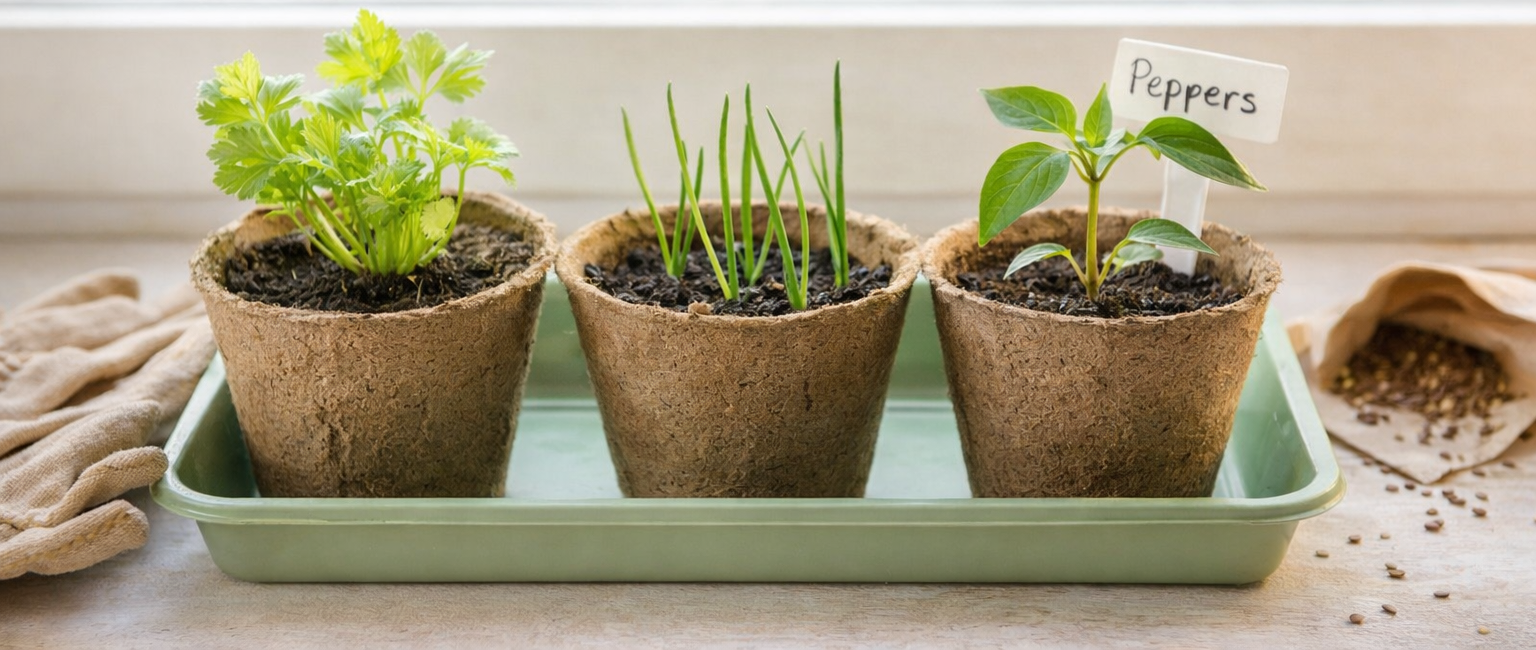
    Starting a few seeds indoors can be a calm, meaningful way to welcome the season—especially for seniors and caregivers who need activities to feel simple, flexible, and low-pressure. You do not need a garden plan, a greenhouse, or a perfect setup. A sunny windowsill, a few seed packets, and one small tray can be more than enough.

    For many caregivers, the best activities are the ones that offer a little purpose without creating more stress. Seed-starting can do exactly that. It gives your hands something gentle to do, adds a small rhythm to the week, and creates something to look forward to together.

    If you are looking for an easy spring activity to do at home, here are a few simple ideas for getting started.

    Why seed-starting can be a calming activity

    There is something quietly comforting about planting something small and checking in on it over time.

    For seniors, seed-starting can offer:

    • a simple seasonal activity
    • a gentle sensory experience
    • a reason to notice small daily changes
    • a feeling of care, purpose, and participation

    For caregivers, it can be a helpful kind of activity too. There is no need to fill a whole afternoon. Even ten or fifteen minutes can feel meaningful. You can do one small step, set it aside, and come back later.

    That is part of what makes it such a gentle fit for caregiving life. It does not need to be done perfectly. It only needs to feel manageable.

    If simple, low-pressure activities have been helping lately, you may also enjoy The Cozy Activity Basket: A Gentle Setup for Calm, Low-Stress Days, which follows the same idea: make it easier to begin, and the whole day can feel softer.

    Easy seeds to start indoors together

    If you are doing this with an older adult, simpler is usually better. Choose seeds that are easy to handle, quick to sprout, or satisfying to watch.

    A few gentle options include:

    • microgreens – very fast, easy, and encouraging
    • lettuce – soft, familiar, and simple to sow
    • basil – lovely if you want something fragrant
    • parsley – slow, but familiar and useful
    • peas – larger seeds that are easier to hold
    • sunflowers – cheerful and easy to notice as they grow

    You do not need many kinds. One or two is enough for a lovely spring project.

    If hand strength, attention, or energy is limited, larger seeds like peas or sunflowers may feel easier than tiny herb seeds. If you want the quickest reward, microgreens are often the gentlest place to begin.

    The easiest option: microgreens

    If you only try one thing, I would start here.

    Microgreens are one of the simplest indoor growing projects for seniors and caregivers because they are:

    • quick to sprout
    • easy to see
    • satisfying in just a short time
    • forgiving in small spaces

    They do not ask for a big commitment. You sprinkle the seeds, keep the soil lightly moist, and watch for those first small green shoots.

    That quick progress can be especially encouraging on caregiving days when energy feels limited. There is something lovely about doing one tiny seasonal thing and seeing a gentle result not long after.

    This kind of low-effort setup reminds me a little of gentle kitchen prep for tired days: small steps now can make the next moment feel easier. If that rhythm speaks to you, you might also like A Gentle Kitchen Prep for Caregivers: 5 Small Things That Make Mealtimes Easier.

    A simple supply list

    You do not need much to begin.

    A very simple setup might include:

    • one shallow tray, pot, or recycled container
    • seed-starting mix or light potting soil
    • one or two seed packets
    • a spoon or small scoop
    • a sunny windowsill
    • a small watering can, cup, or spray bottle

    That is enough.

    If a full setup feels like too much, you can prepare everything in advance and only do the planting part together. Sometimes the most supportive version of an activity is the one with fewer steps in the moment.

    Gentle ways to make this activity senior-friendly

    A few small adjustments can make indoor seed-starting more comfortable and enjoyable.

    You might try:

    • setting everything out before you begin
    • using a tray to keep supplies contained
    • choosing larger seeds when possible
    • working seated at a table
    • doing just one container instead of several
    • focusing on the sensory parts: touching soil, noticing color, seeing new growth
    • letting the activity be short

    This does not need to become a full gardening project unless you both want it to. It can simply be one calm seasonal moment.

    That same gentle approach can help in many parts of caregiving life. Keeping choices simple, reducing setup, and making tasks easier to begin often matters more than doing more. If that has been helpful in your home, you may also appreciate Dressing with Dementia: A Gentle Two-Choices Approach for Calmer Mornings.

    One small tray is enough

    This may be the most important reminder of all.

    You do not need a full indoor garden. You do not need matching pots. You do not need to turn this into a big spring project.

    One small tray is enough.

    One packet of seeds is enough.

    One quiet moment at the table is enough.

    In caregiving, small things often carry more meaning than elaborate ones. A brief shared activity, a little sign of the season, a reason to check the windowsill tomorrow—these can matter more than we expect.

    A gentle spring activity to come back to

    If you are caring for someone at home, it can be surprisingly comforting to have one simple activity that unfolds slowly across the days.

    Indoor seed-starting gives you that. It offers something living, seasonal, and hopeful—without asking for too much all at once.

    And if some days it turns into nothing more than watering one small tray and noticing that something green has appeared, that still counts as something lovely.

    If you are building a calmer rhythm for the season, you may also like browsing my Caregiver Resources, where I keep a growing collection of gentle ideas, supportive routines, and meaningful activities for caregivers and seniors.

  • Easy One-Pan Lemon Garlic Chicken Orzo for Tired Caregivers

    Easy One-Pan Lemon Garlic Chicken Orzo for Tired Caregivers

    Some evenings, you need dinner to do less.

    Less cleanup. Less thinking. Less standing in the kitchen trying to figure out what to make when your energy is already gone.

    This is one of those meals I come back to on tired caregiving days. It is warm, simple, and made in one pan, with just enough lemon and garlic to feel fresh without making dinner complicated.

    If you are feeding yourself, a loved one, or both, this is the kind of low-effort meal that can help the evening feel a little more manageable.

    Why this works on low-energy days

    On caregiving days, a helpful dinner is often one that:

    • cooks in one pan
    • uses simple ingredients
    • feels comforting without being heavy
    • reheats well if you have leftovers
    • does not create a sink full of dishes

    That is exactly why this one works.

    If easy, low-energy meals have been helping lately, you might also like Easy Sheet-Pan Dinner for Tired Caregivers, another simple dinner idea for busy evenings.

    What you’ll need

    • 2 boneless, skinless chicken thighs or 2 small chicken breasts
    • 1 tablespoon olive oil
    • 3 to 4 cloves garlic, minced
    • 1 teaspoon dried oregano or Italian seasoning
    • salt and black pepper
    • zest of 1 lemon
    • 2 tablespoons lemon juice
    • 1 cup orzo
    • 2 1/2 cups chicken broth
    • 1 cup baby spinach, optional
    • 2 tablespoons grated parmesan, optional

    How to make it

    1. Season the chicken with salt, pepper, oregano, and lemon zest.
    2. Heat olive oil in a large pan and sear the chicken for 2 to 3 minutes per side. Remove to a plate.
    3. Lower the heat and add the garlic for about 20 seconds.
    4. Stir in the orzo, then pour in the broth and lemon juice.
    5. Return the chicken to the pan.
    6. Cover and simmer for 10 to 12 minutes, stirring once or twice so the orzo does not stick.
    7. When the orzo is tender and the chicken is cooked through, stir in spinach if using.
    8. Finish with parmesan, extra lemon, or black pepper if you like.

    Gentle shortcuts that help

    You do not need to make this the hard way.

    A few easy shortcuts:

    • use pre-minced garlic
    • skip the spinach if that feels like one step too many
    • use chicken thighs for a little more flexibility
    • add a splash of broth if the orzo starts to look dry
    • make enough for lunch the next day

    Sometimes the best dinner is simply the one that feels possible.

    A simple meal to keep in rotation

    When caregiving days feel full, it helps to have a few meals you can make almost on autopilot.

    This is one of them.

    It is bright, cozy, and gentle on your energy. And on nights when dinner feels like too much, that kind of simplicity matters.

    For more calm routines, gentle support, and practical ideas for everyday care, you can also visit my Caregiver Resources.