It’s properly cold outside—the kind of cold that makes the whole world feel a little quieter. The windows look frosty, the kitchen feels like the warmest place on earth, and suddenly all we want is soup. Not the fancy kind. The kind that steams up your glasses and makes you sigh on purpose.
So we did what we always do when winter gets personal: we made noodles.
This is one of our absolute favorites—thin, delicate cérnametélt (Hungarian-style fine egg noodles). We almost always cook it straight into soup, where it turns a simple broth into something that feels like home.
And the best part? It’s just eggs and flour. No salt. No water. No shortcuts. Just a dough that takes its time—like we do on days like this.
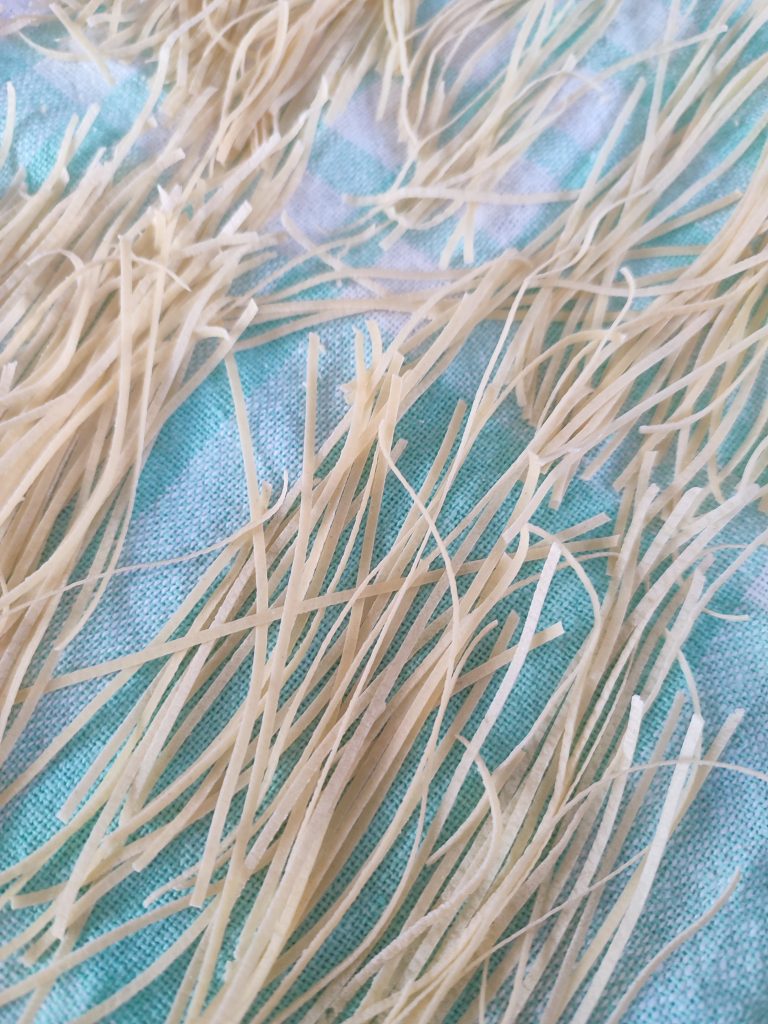
The Cozy Noodle We Always Make for Soup
If you grew up with chicken soup and homemade noodles (or you just wish you had), this is your sign. These noodles are light but comforting, and because they dry well, you can make a big batch and keep it for weeks.
We make ours the old-fashioned way:
- mixed by hand
- rested for at least an hour
- rolled out with a machine
- dried slowly for days in a cool room
It’s not fast. But it’s deeply satisfying.
Ingredients (Big Batch)
- 10 eggs
- 1 kg all-purpose flour (plus a little extra for dusting)
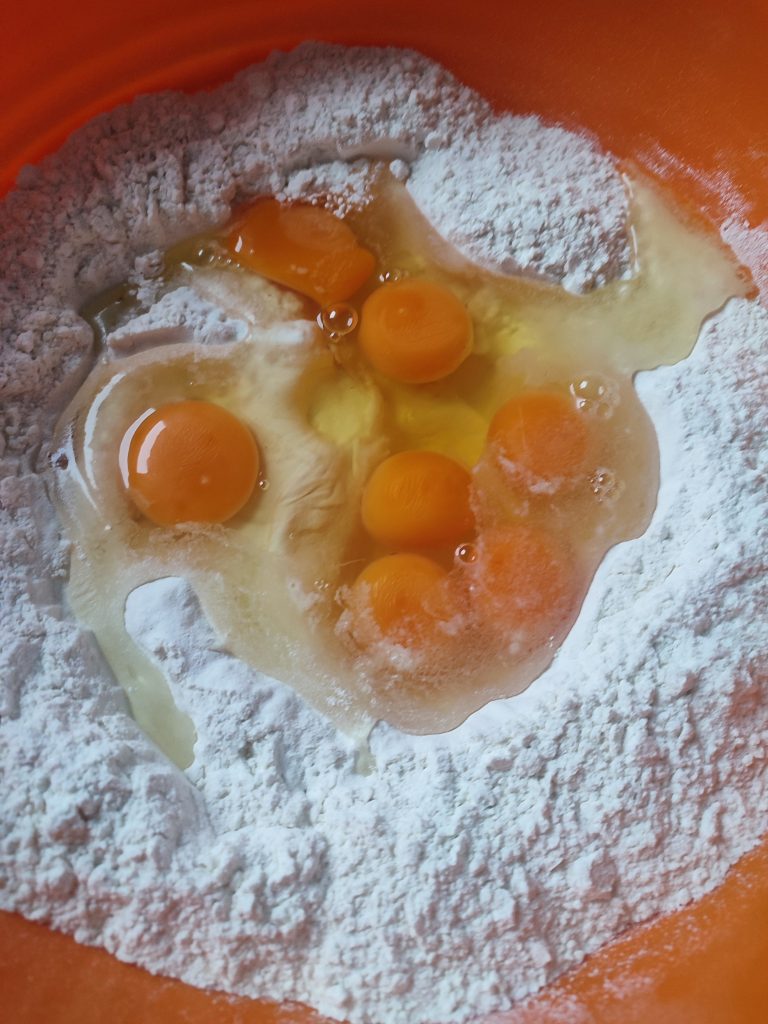
That’s it.
No salt. No water.
The eggs do all the work here. (And in soup, you can season the broth properly—so the noodles stay gentle and neutral, like they’re meant to be.)
How We Make Cérnametélt (Step-by-Step)
1) Make the dough (by hand)
We tip the flour onto the counter (or into a very large bowl), make a well, and crack in the eggs.
Then we mix slowly at first—pulling flour in from the edges—until it turns into a shaggy, stubborn dough. And yes… it’s stubborn. At first it looks like it will never come together.
But it does. You just keep kneading.
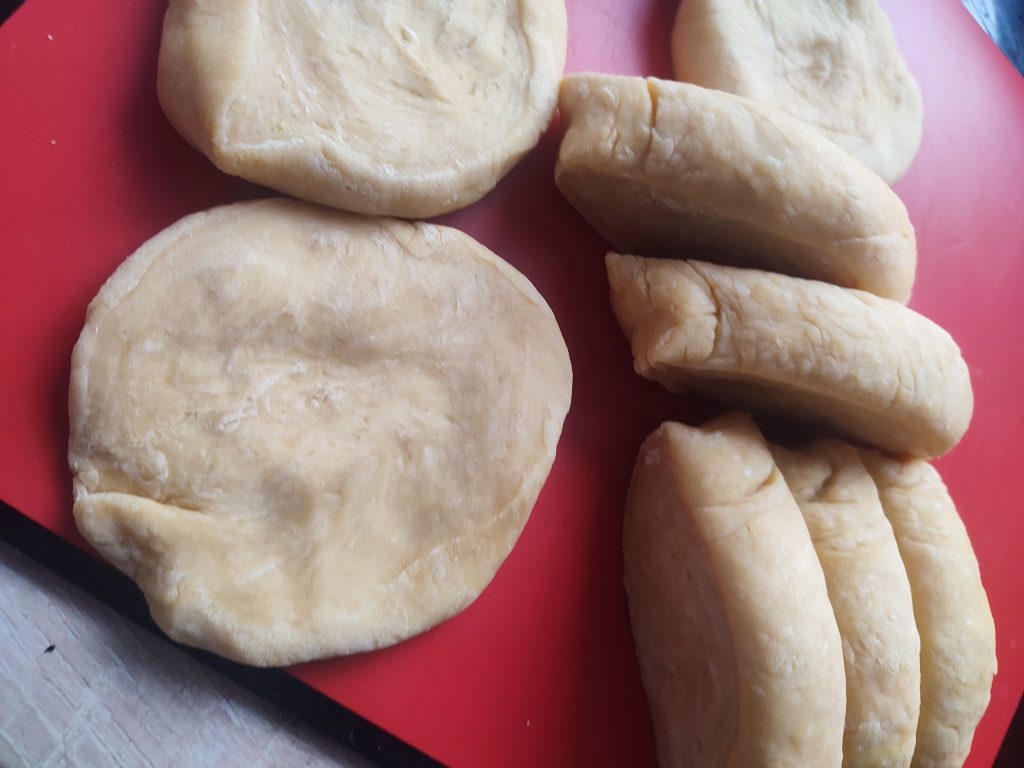
I knead by hand until it’s firm, smooth, and elastic—and then a bit more. This dough should feel strong and dense, not soft.
2) Rest (minimum 1 hour)
Once the dough is kneaded, we cover it (bowl, cloth, wrap—whatever you like) and let it rest for at least an hour.
This rest is non-negotiable.
It relaxes the gluten and makes rolling so much easier later. It also feels like the dough is exhaling.
3) Roll it out (with a machine)
After resting, we cut the dough into manageable pieces and run it through the pasta machine.
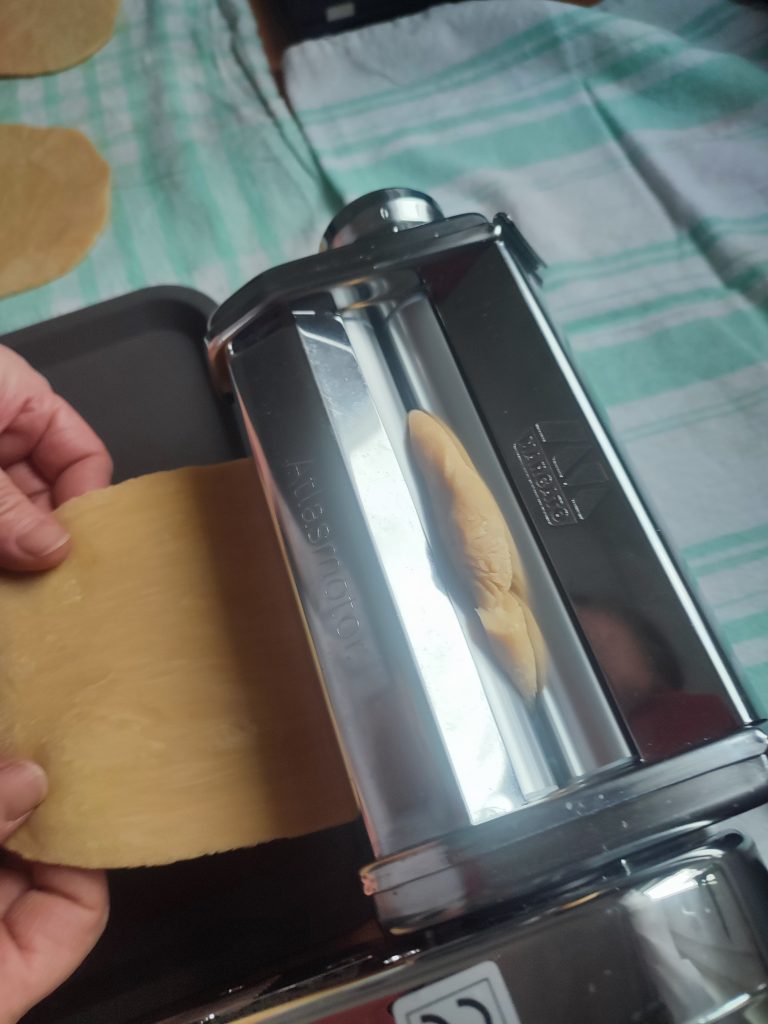
We start thick, fold it a few times, then gradually go thinner. For cérnametélt we aim for thin sheets—delicate, but not paper-thin.
4) Cut into fine noodles
Then we cut it into thin strands (the “thread noodle” look). If your cutter does wider noodles, you can still use them—but the fine ones are magic in soup.
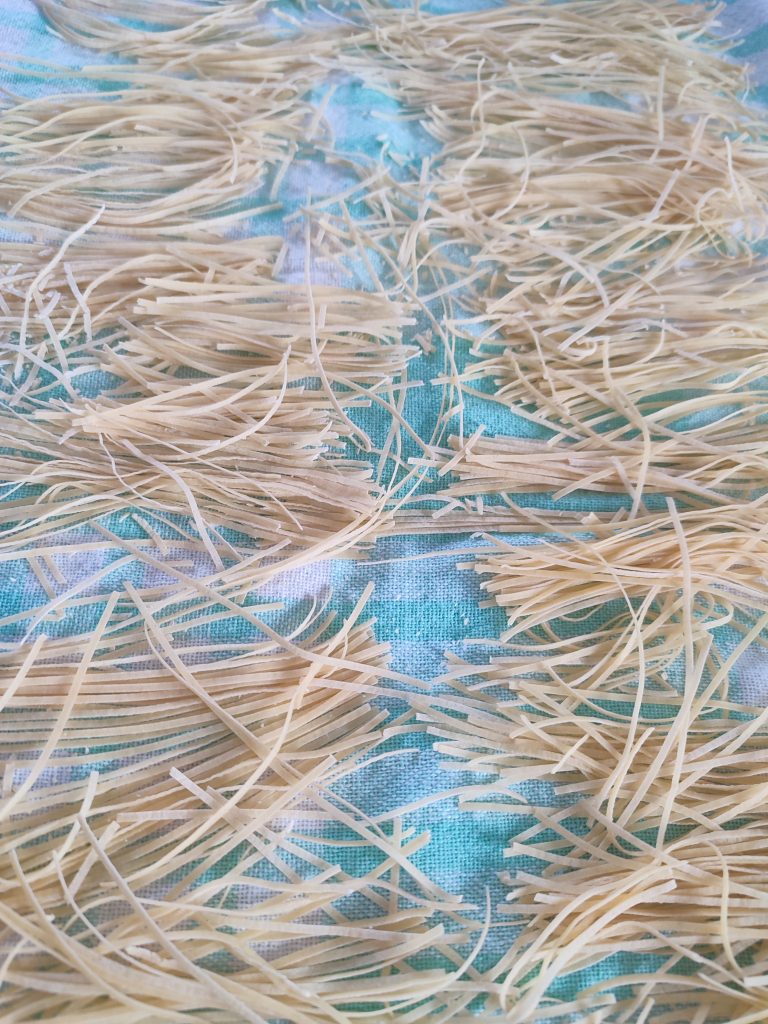
5) Dry slowly (for days)
Here’s our winter method: we dry the noodles in a cool room, because honestly, our house is basically a drying room in winter.
We spread the noodles out (or drape them) and let them dry for several days before storing.
This matters:
- If you pack them too early, they can get slightly soft or clump.
- Fully dried noodles store beautifully and stay separate.
6) Store in a box
Once they feel completely dry—crisp and breakable—we transfer them to a box or container and keep them in the pantry.
How We Cook It (Straight Into Soup)
Most of the time, we cook these noodles directly in simmering soup for just a few minutes—until tender. Because they’re egg-rich, they cook quickly.
If you’re making broth, this is the moment where everything turns into comfort food.
Notes From Our Kitchen
- No salt in the dough: we prefer seasoning the soup instead. The noodles stay soft and gentle.
- No water: eggs are enough—and it helps the noodles dry and store well.
- Drying time depends on your room: if it’s warm or humid, it may take longer. In winter, it’s perfect.
A Little Winter Ritual
This is one of those quiet, old-fashioned kitchen rituals that makes the cold feel less annoying. You’re not just cooking—you’re stocking up on comfort. You’re making future-you very happy.
And honestly? When the noodles are drying on the counter and the house smells like soup, winter doesn’t feel quite so rude.
If you make this, I hope it becomes one of your cozy staples too.