Tag: gentle routines

  • How to Create a Calm Corner at Home for Seniors (A Gentle Setup Guide)

    How to Create a Calm Corner at Home for Seniors (A Gentle Setup Guide)

    Some moments don’t need more activity.

    They need less.

    Less noise. Less pressure. Less expectation.

    A calm corner can become a small, gentle place where both seniors and caregivers can pause, breathe, and simply be.

    Here’s how to create one at home — in a way that feels soft, inviting, and easy to maintain.


    What Is a Calm Corner?

    A calm corner is a small, thoughtfully arranged space that invites quiet moments.

    It’s not about doing more — it’s about making space for:

    • rest
    • gentle engagement
    • simple connection

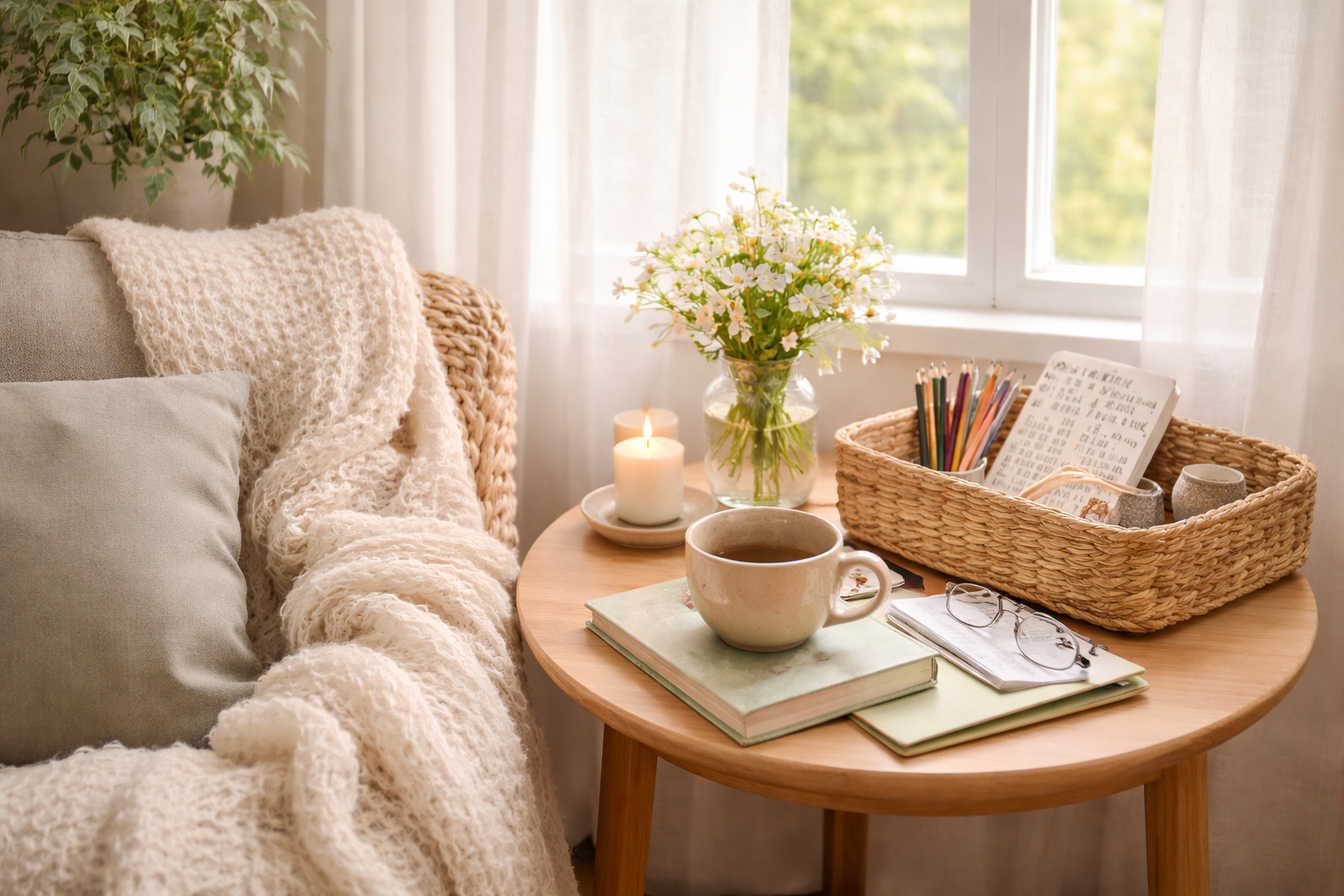
    It can be a chair by the window, a small table, or even just a tray that you bring out when needed.


    1. Choose a Quiet, Light-Filled Spot

    Look for a place with:

    • natural light
    • minimal noise
    • a sense of comfort

    This could be:

    • near a window
    • beside a favorite chair
    • at a small table

    The goal is not perfection — just a feeling of ease.


    2. Keep It Simple (Really Simple)

    A calm corner works best when it’s not overwhelming.

    Start with just a few items:

    • a soft blanket
    • a warm drink
    • one small activity

    Too many choices can feel stressful on low-energy days.


    3. Add One Gentle Activity

    Choose something that feels easy and familiar.

    For example:

    • a coloring page
    • a word search
    • a simple sorting task

    If you’re looking for ideas, you can explore these here:
    👉 7 Quiet Afternoon Activities for Low-Energy Days


    4. Include Something Comforting

    This could be:

    • a favorite cup
    • a soft texture
    • a small personal object

    Comfort doesn’t have to be big — often it’s something small and familiar.


    5. Let It Be Flexible

    Some days, the calm corner will be used.

    Some days, it won’t.

    That’s okay.

    It’s not a routine to follow — it’s a space that’s simply there when needed.


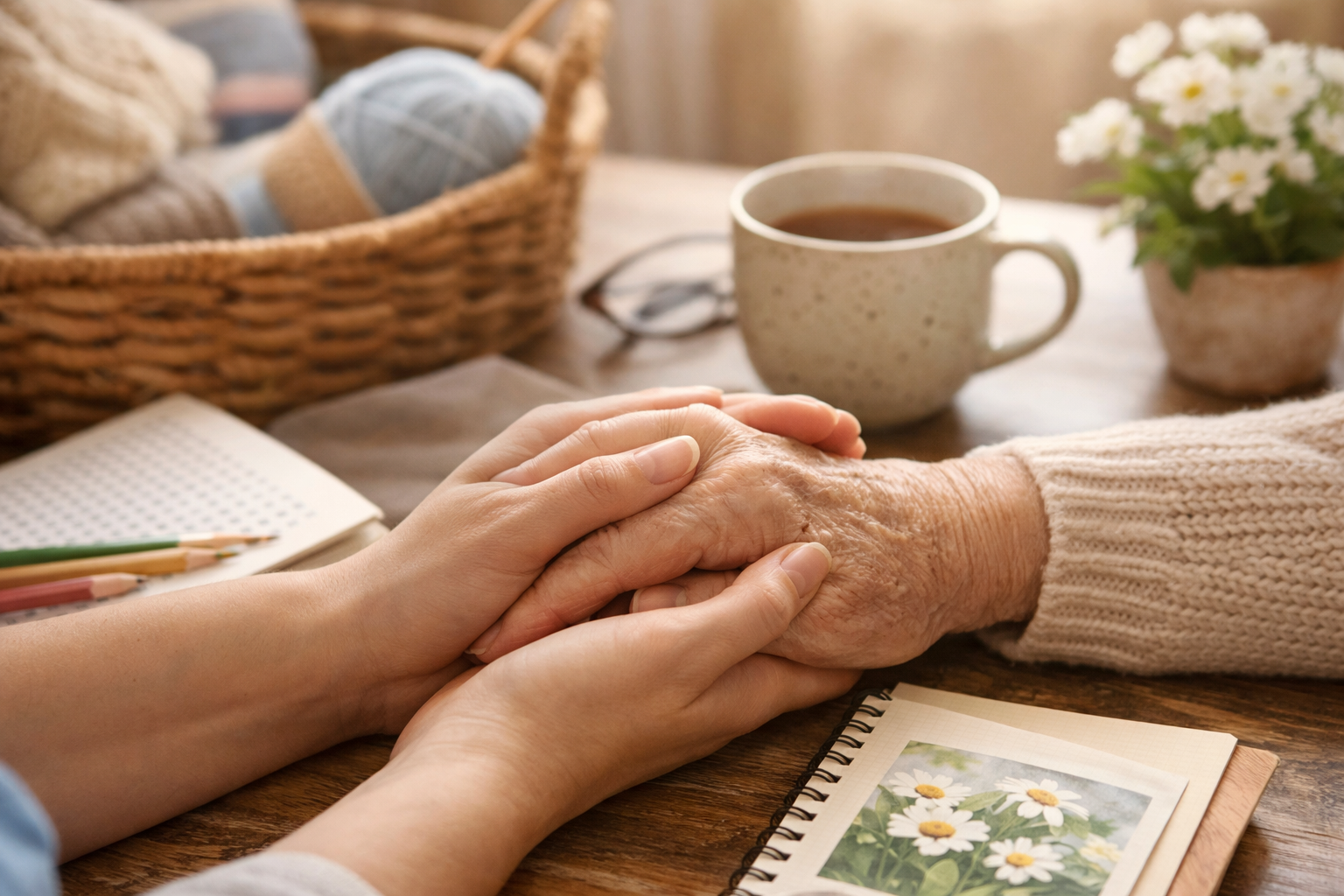
    6. Use It for Connection, Not Just Activity

    The calm corner isn’t only for doing something.

    It’s also for:

    • sitting together
    • sharing a quiet moment
    • simply being present

    Sometimes, that’s enough.


    A Gentle Note for Caregivers

    You don’t have to fill every moment.

    You don’t have to create perfect routines.

    A calm corner is not about doing more —
    it’s about allowing less.

    And often, that’s where the most meaningful moments happen.


    Looking for More Gentle Support?

    You can explore more calming activities, routines, and caregiver ideas here:

    👉 Caregiver Resources for Seniors at Home

  • A Gentle Tea Time Routine for Seniors and Caregivers

    A Gentle Tea Time Routine for Seniors and Caregivers

    Not every meaningful moment needs to be an activity.

    Sometimes, a quiet cup of tea shared at the same table can offer comfort, connection, and a small sense of rhythm in the day.

    For seniors and caregivers, gentle routines often matter more than elaborate plans. A simple tea time can become one of those soft daily anchors — something familiar, calming, and easy to return to.

    It does not need to be formal or complicated.

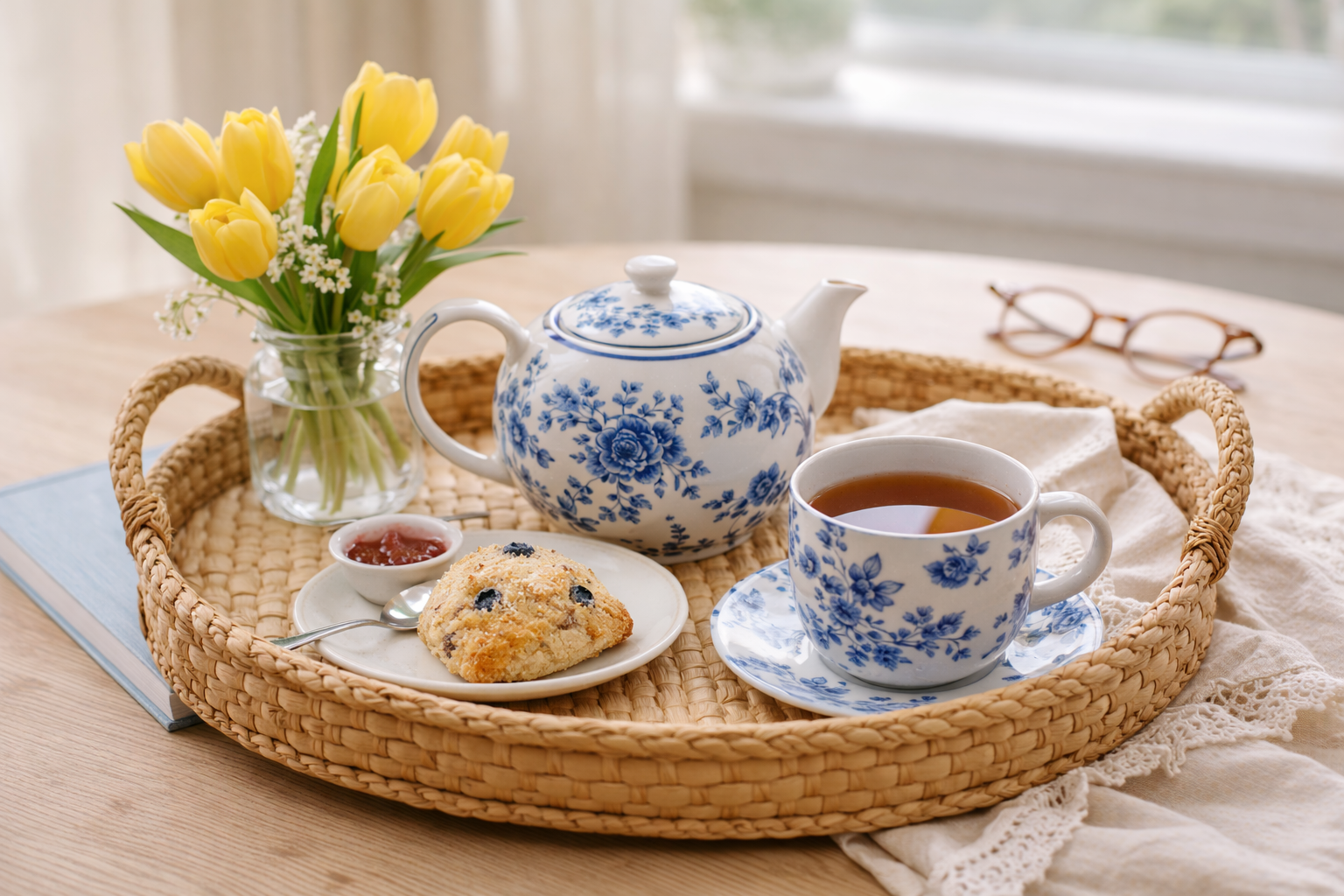
    It can simply be a warm drink, a favorite mug, a small snack, and a few peaceful minutes together.

    Why tea time can feel so comforting

    There is something naturally calming about tea time.

    The warmth of the cup, the smell of the drink, the quiet pause in the day, and the familiar setup of sitting down together can all help create a sense of ease.

    For some seniors, tea time may also bring back memories of afternoon visits, favorite mugs, biscuits on a plate, or quiet moments in the kitchen.

    That is part of what makes it meaningful.

    It is not only the tea itself, but the feeling around it.

    Keep the routine simple

    A gentle tea time routine does not need many parts.

    It might be as simple as:

    • making tea or another warm drink
    • placing it in a favorite cup
    • adding a biscuit, fruit, or toast
    • sitting in the same comfortable place
    • keeping the moment quiet and unhurried

    Small routines often feel more supportive when they are easy to repeat.

    The goal is not to create a perfect ritual.

    The goal is to create a soft, familiar moment that feels good to return to.

    Choose what feels comfortable and familiar

    Tea time can be adapted to the person, the day, and the energy available.

    You might choose:

    • tea with lemon
    • herbal tea
    • warm milk
    • decaf coffee
    • a small fruit plate
    • yogurt
    • a favorite biscuit
    • toast with jam

    What matters most is that it feels pleasant and manageable.

    On lower-energy days, even a very small version of tea time can still feel special.

    Let the table feel inviting

    A little visual comfort can make a simple moment feel more intentional.

    You might add:

    • a favorite mug
    • a soft napkin
    • a small flower in a vase
    • a pretty plate
    • a seasonal card nearby
    • gentle daylight from a nearby window

    These small touches do not need to create extra work.

    Even one detail can help the table feel calm and cared for.

    If you enjoy creating low-pressure activity setups at home, you may also like this post on the cozy activity basket for calm, low-stress days.

    Pair tea time with something gentle

    Tea time does not always have to stand alone.

    Sometimes it works well alongside something soft and undemanding.

    You might pair it with:

    • looking through family photos
    • a simple word search
    • a floral coloring page
    • quiet music
    • sitting by the window
    • a few conversation prompts
    • noticing flowers or birds outside

    This can help the moment feel gently shared without asking too much.

    If you are looking for more low-stress ideas to keep nearby, these calm table activities for seniors on low-energy days may also be helpful.

    Use tea time as a steady point in the day

    Many seniors feel better with familiar rhythms.

    Caregivers often do too.

    A regular tea time — whether it is in the morning, afternoon, or early evening — can offer a sense of steadiness when the day feels scattered, tiring, or emotionally heavy.

    It does not need to happen at the same exact minute every day.

    It is enough for it to feel familiar.

    A small repeated comfort can matter a great deal.

    Keep conversation gentle and open

    Tea time can create a natural space for light conversation.

    You might talk about:

    • favorite teas or drinks from years ago
    • visitors who used to come by
    • spring or seasonal changes outside
    • favorite foods for afternoon tea
    • family kitchen memories
    • simple things that felt nice that day

    There is no need to force conversation.

    Quiet can be part of the comfort too.

    Let it stay simple on difficult days

    Some days will feel quieter, lower-energy, or more tender than others.

    On those days, tea time does not have to be fully set up to still matter.

    A single mug, a small snack, and a few minutes together may be enough.

    That still counts.

    For seniors living with dementia, simple familiar routines can feel especially supportive. This gentle post on dressing with dementia for calmer mornings shares a similar low-pressure approach to daily care.

    A soft routine can still be meaningful

    A gentle tea time routine may look very ordinary from the outside.

    But ordinary moments are often the ones that hold the most comfort.

    For seniors and caregivers, a quiet cup of tea can offer warmth, familiarity, and a little connection in the middle of the day.

    And often, that is more than enough.

    If you are looking for more calm, comforting ideas, you may also enjoy:

  • Dressing with Dementia: A Gentle “Two Choices” Approach for Calmer Mornings

    Dressing with Dementia: A Gentle “Two Choices” Approach for Calmer Mornings

    Small steps, less pressure, and dignity-first routines that actually work on real-life days.

    Some mornings go smoothly. And some mornings feel like a tangle of small decisions that suddenly become too much.

    If you’re caring for someone with dementia, getting dressed can shift from “simple” to surprisingly stressful—fast. Buttons can feel confusing. Fabrics can feel irritating. Choices can feel overwhelming. And when a person doesn’t feel safe or understood, resistance can become their only way to communicate.

    I’m writing this as someone personally affected by dementia in my own family, and also as a caregiver working in a nursing home. I’ve seen how quickly dressing can turn into a power struggle—and how much calmer it becomes when we make the routine smaller, gentler, and more predictable.

    Why dressing can feel hard (and it’s not stubbornness)

    Dementia can change how a person experiences clothing and routine. Dressing may feel difficult because of:

    • too many choices (decision overload)
    • sensory discomfort (scratchy seams, tight waistbands, cold fabric)
    • confusion about steps (what comes first? which side is front?)
    • loss of control (being “told” what to do can feel threatening)
    • temperature misjudgment (feeling cold/hot differently than before)

    The goal isn’t perfect outfits. The goal is comfort, dignity, and less stress for both of you.

    The “Two Choices” method (the simplest tool I come back to)

    When dressing feels tense, try this:

    Offer two options—only two.
    Not a closet full of decisions. Just two calm, gentle choices.

    Examples:

    • “Would you like the blue sweater or the soft beige one?”
    • “Do you want the striped shirt or the plain shirt?”
    • “Would you like pants or a comfortable skirt today?”

    Keep your voice soft and unhurried. Pause. Let them take time.

    If they can’t choose, you can lovingly decide:
    “Okay. I’ll choose the soft one today.”

    (This reduces pressure while still preserving a feeling of choice.)

    Set the stage before you begin (a calmer environment helps)

    Before dressing, try to make the space feel safer:

    • warm the room slightly (or have a cozy cardigan ready)
    • reduce noise (TV off, calmer music on)
    • keep lighting gentle and even
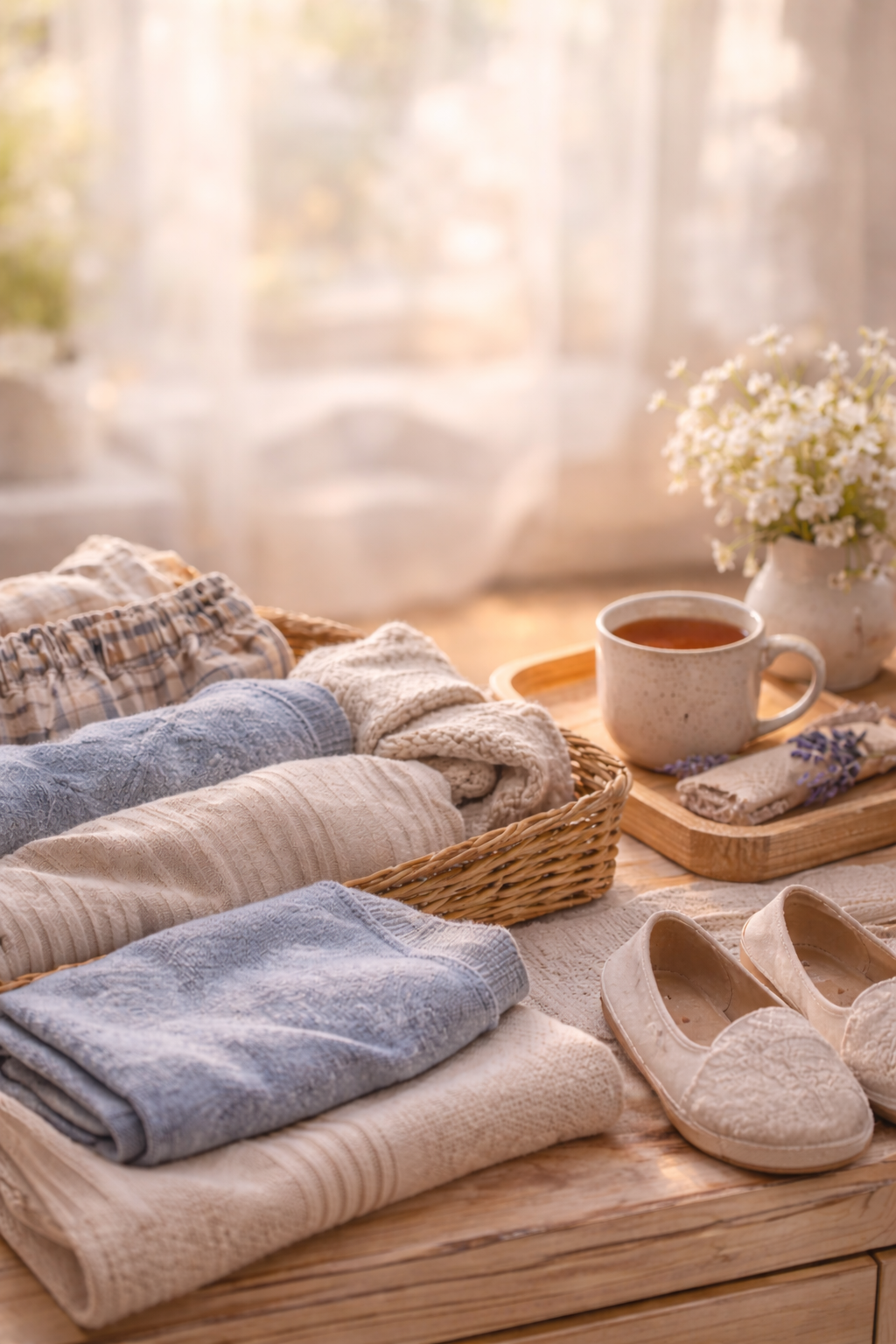
    • lay clothing out in the order it’s needed

    Color and contrast can help too—especially if items blend together visually.

    A gentle step-by-step routine (less thinking, more flowing)

    Try this “small steps” order:

    1. Start with one item only (don’t show everything at once)
    2. Hand them the item instead of pointing to it
    3. Use simple cues: “Arms in,” “Now pull down,” “All done.”
    4. If they struggle, mirror the movement (do it on yourself slowly)
    5. Celebrate tiny progress: “Perfect. That’s it.”

    If something triggers frustration, switch to an easier item and return later.

    Make dressing easier with “quiet clothing”

    In caregiving, I’ve learned that the best clothing on hard days is the clothing that disappears—no fuss, no irritation.

    Look for:

    • soft, familiar fabrics
    • stretchy waistbands
    • front-opening tops (or wide neck openings)
    • easy shoes (Velcro, slip-ons)
    • layers (so temperature changes are easier)

    Avoid when possible:

    • tight collars
    • complicated buttons
    • scratchy tags/seams
    • outfits that require many steps

    When they refuse: what to do (without power struggles)

    Refusal usually means: “I don’t feel safe / I don’t understand / I’m uncomfortable.”

    Try:

    • pause and breathe (your calm helps their nervous system)
    • validate: “This feels annoying. I understand.”
    • offer a reset: “Let’s sit for a minute.”
    • try again with one item, or switch to a softer option
    • consider timing: sometimes later is better

    And if it’s truly not possible that day: it’s okay.
    Comfort first. Dignity always.

    A tiny “cozy basket” trick for dressing days

    Sometimes it helps to pair dressing with something comforting nearby:

    • a warm drink
    • a soft blanket on the chair
    • a familiar scent (hand cream)
    • a simple calming activity while you prepare clothing

    Words that help (gentle phrases to try)

    • “We’ll do this slowly.”
    • “You’re safe.”
    • “I’m right here.”
    • “Let’s do one small step.”
    • “Thank you. You’re doing great.”

    If conversation helps during dressing, you might also like:

    Closing

    If dressing has been a daily struggle in your home, I hope this gives you a softer path to try. The smallest shifts—two choices, fewer steps, gentler words—can bring surprising relief.

    And if today was hard: you’re not failing. You’re caring in a situation that asks a lot of the heart.

    For more support and caregiver-friendly ideas, you can start here:

  • Caregiver Corner: A Gentle Place to Land

    Caregiver Corner: A Gentle Place to Land

    Some days begin with hope and end with exhaustion.

    Maybe you start the morning with a plan—breakfast, a little walk, a calm activity—and then dementia has its own agenda. A question is repeated. A mood shifts. Time feels slippery. You find yourself trying to do everything “right,” while quietly carrying the weight of what’s changing.

    I’m writing this as someone who is personally affected by dementia in my own family, and also as a caregiver working in a nursing home. I’ve held hands in quiet moments. I’ve listened to the same story told three times in five minutes. I’ve seen how a gentle tone, a familiar routine, or a small comforting activity can soften a difficult day. And I’ve learned that caregivers need support, too—support that feels realistic, warm, and kind.

    This is what Caregiver Corner is for.
    A calm, welcoming space where I share gentle ideas to support connection, comfort, and dignity—especially on the days when you’re doing your best and it still feels hard.

    What you’ll find here

    My goal isn’t to overwhelm you with rules or “perfect” solutions. Instead, I want to offer:

    • soft guidance you can actually use in real life
    • low-stress activities for calmer moments together
    • conversation prompts that invite connection without pressure
    • home and environment ideas that can be helpful in dementia care
    • and most of all: a reminder that you’re not alone

    I believe in small rituals—tiny, repeatable comforts that don’t demand more energy than you have, but still bring warmth into the day.

    Start anywhere: posts you can browse today

    If you’re new here, you can begin with any of these—choose what fits your situation and your loved one’s mood:

    I’ll keep adding more posts over time, so you can always come back and browse whenever you need a small idea, a softer approach, or a bit of steadiness.

    Free support + printable resources (if you’d like)

    When you need something simple to reach for, you might like my free printable resources, which I update regularly:

    And if you ever want extra ready-to-use activities, I’m also creating digital caregiver-friendly printables that you can download instantly in my Etsy shop:

    No pressure at all—everything here is offered in a spirit of support. These are simply additional tools for the days when having something prepared can make things feel a little lighter.

    A note from me to you

    If you’re reading this while tired, worried, or stretched thin—please take a breath.

    You don’t have to do everything. You don’t have to do it perfectly.
    Sometimes the most meaningful care looks like a steady voice, a familiar routine, a warm drink, or simply sitting together without needing to fill the silence.

    Caregiving does not ask us to be perfect. It asks us to keep showing up with as much tenderness as we can, even when we are tired. Some days, support may look like taking a breath before answering the same question again. Other days, it may look like asking for help, stepping outside for a moment, or allowing yourself to feel sad without guilt. Dementia changes many things, but it does not erase the love, dignity, and humanity of the person in front of you—or your own need for care along the way.

    This space is here for you—and I’m so glad you found it.

    With warmth,
    Little Home Rituals