Category: Garden

Garden is where I share small, soothing ways to grow beauty and food — from seed-starting and balcony pots to indoor “tiny gardens.” Expect simple guides, seasonal notes, and gentle encouragement for imperfect gardeners.

  • A Gentle Garden Check-In for a Mild Day: Small Steps to Welcome the Season

    A Gentle Garden Check-In for a Mild Day: Small Steps to Welcome the Season

    When the weather turns a little milder, it can be tempting to jump straight into big garden plans.

    But sometimes the best thing to do first is simply this: step outside and look around.

    A gentle garden check-in can help you notice what’s waking up, what needs a little care, and what your next small steps might be — without turning it into a big project.

    Here are a few easy things I like to check on a mild day.

    1. Take a slow walk around first

    Before planting or tidying, take a quiet look around.

    Notice:

    • what looks healthy
    • what feels messy but manageable
    • where the soil looks ready (or still too wet)
    • which corners get the nicest light right now

    This little pause helps you plan with what your garden actually needs — not just what’s on a spring checklist.


    2. Check your bulbs and early signs of growth

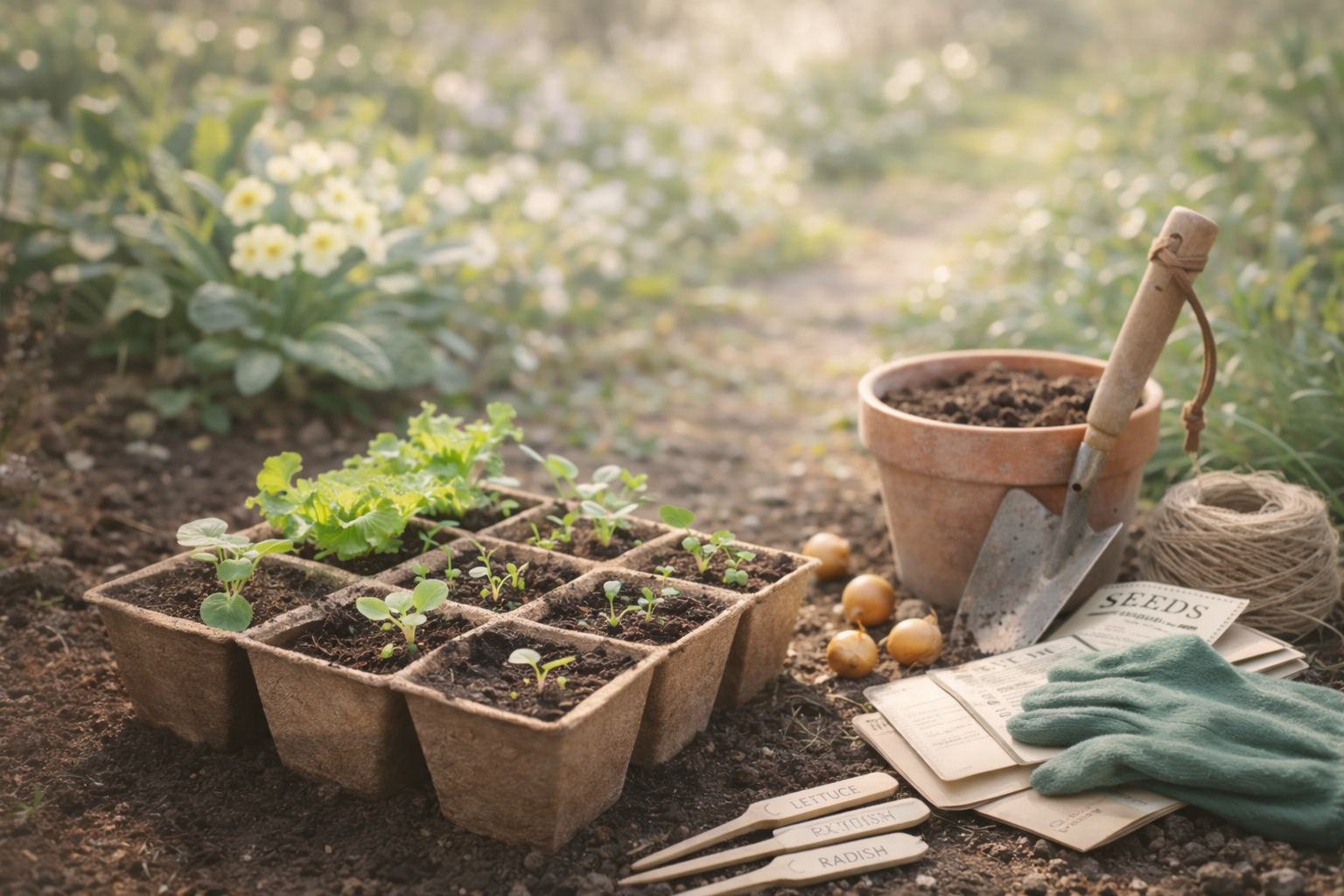
    If you planted bulbs earlier in the season, a mild day is a lovely time to see what’s happening.

    Look for:

    • first green shoots
    • signs of damage (frost, pests, soggy spots)
    • places where labels have gone missing (it happens!)

    Even tiny signs of growth can feel encouraging.


    3. Think about easy, cool-season starts

    If the weather is gentle, this can be a good time to start planning (or sowing, depending on your climate) a few simple cool-season favorites.

    Some easy early ideas:

    • lettuce
    • spinach
    • radishes
    • spring onions
    • herbs in pots

    You don’t have to plant everything at once. Even one small tray or one pot can be a lovely start.


    4. Do one “small reset” task

    Instead of trying to do everything, choose just one small job:

    • clear one planter
    • refresh one pot of soil
    • tidy one path edge
    • wash one watering can
    • sort one seed box

    Small tasks count. They make it easier to come back tomorrow.


    5. Check what you already have before buying more

    A mild garden day is also a great time to look through your supplies:

    • seed packets
    • labels
    • twine
    • gloves
    • trays and pots

    I always find things I forgot I had.

    If you’re planning to order seeds or garden supplies, I put together one simple page with my go-to shops here:
    👉 Where I Buy Seeds & Garden Bits (My Go-To Shops)

    I keep my regular garden posts cozy and helpful (not a wall of links), so this page is just a handy little “resource shelf” when you need it.


    6. Leave room for “just enjoying it”

    Not every garden moment has to be productive.

    A cup of tea in the sun, noticing new growth, or simply standing outside for five minutes still counts as time well spent in the garden.

    Sometimes that gentle reset is the most useful step of all.

    Final thoughts

    If today is mild where you are, this is your reminder that you don’t need a full garden makeover to begin.

    Start with one small step.
    Look around.
    Notice what’s ready.
    Let the season unfold from there.

    If you’re in a slow season, low-energy season, or just a very full season of life, this kind of gentle garden check-in still counts.
  • What You Can Start From Seed Indoors Right Now (A Cozy Late-Winter List)

    What You Can Start From Seed Indoors Right Now (A Cozy Late-Winter List)

    No greenhouse, no fancy tools—just a windowsill and a little hope.

    If you’re craving a tiny sign of spring—but it’s still very much winter outside—starting a few seeds indoors is the gentlest little mood-lift.

    No fancy setup required. A tray, a sunny window (or a small grow light), and a few minutes here and there. That’s it.

    First: a quick note on timing

    Seed-starting dates depend on your last frost date. As a simple rule:

    • Slow growers start 10–12 weeks before last frost
    • Most spring veggies start 6–8 weeks before last frost

    (Your seed packet is always the boss if it says something different.)


    What to start indoors now (the “slow growers”)

    These are the ones that take their sweet time—and starting them early makes a big difference:

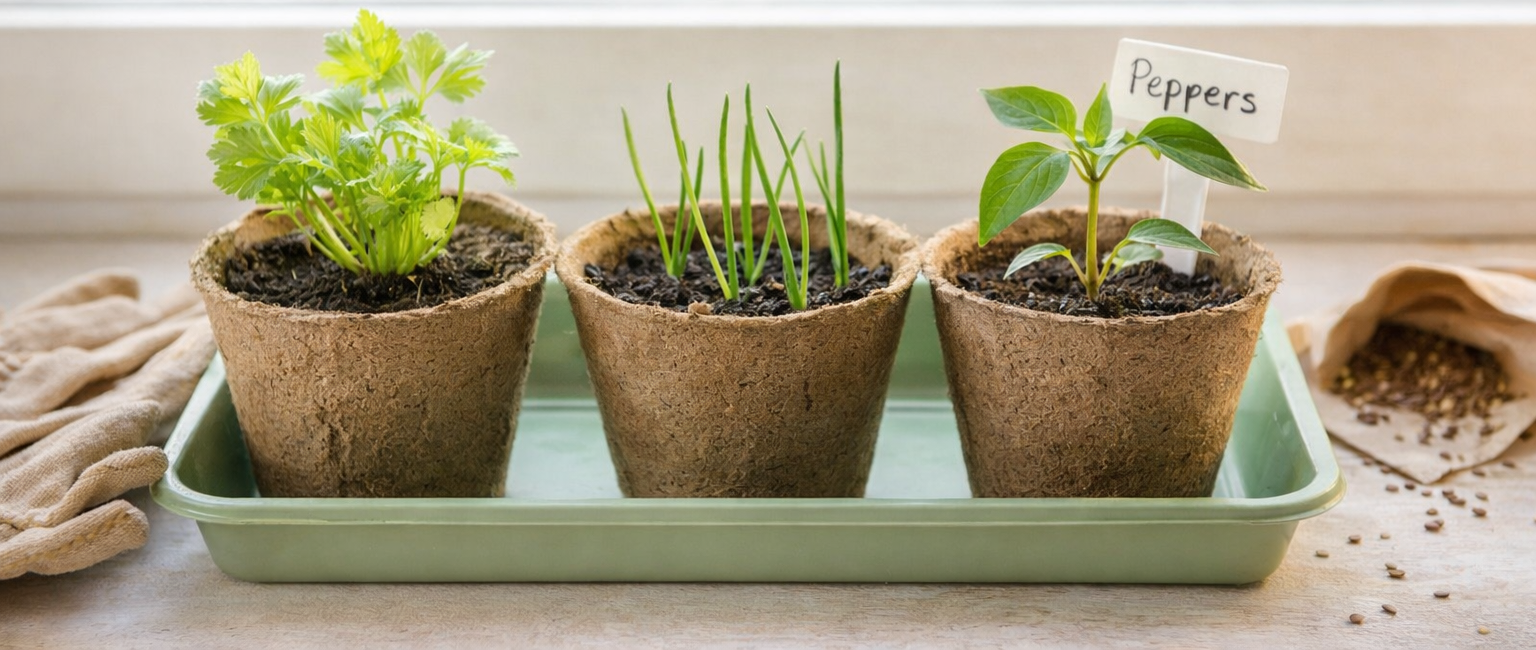
    • Celery (yes, celery!) – slow to germinate, slow to grow, totally worth it
    • Leeks – easy and reliable indoors
    • Onions from seed (if you’re growing bulb onions)
    • Peppers (sweet or hot) – love warmth, start early
    • Eggplant – similar to peppers, also slow

    Tiny tip: Warmth helps. A cozy spot + consistently moist soil = happier germination.


    What to start soon (if you want early spring harvests)

    These are faster and often fine with cooler conditions:

    • Brassicas: cabbage, broccoli, kale (great at 6–8 weeks pre-frost)
    • Lettuce + spinach (or just grow as baby greens)
    • Herbs: parsley (slow), chives, dill, basil (later if your window is cool)

    The easiest “I just want something green” option

    If you want results quickly (and zero pressure), do microgreens:

    • radish
    • broccoli
    • pea shoots
    • sunflower shoots

    They’re fast, forgiving, and make your kitchen feel instantly more alive.


    A simple seed-starting checklist (no perfection required)

    • Use seed-starting mix (lighter than regular potting soil)
    • Keep soil evenly moist (not soaked)
    • Give seedlings bright light (a sunny window works; a small grow light helps a lot)
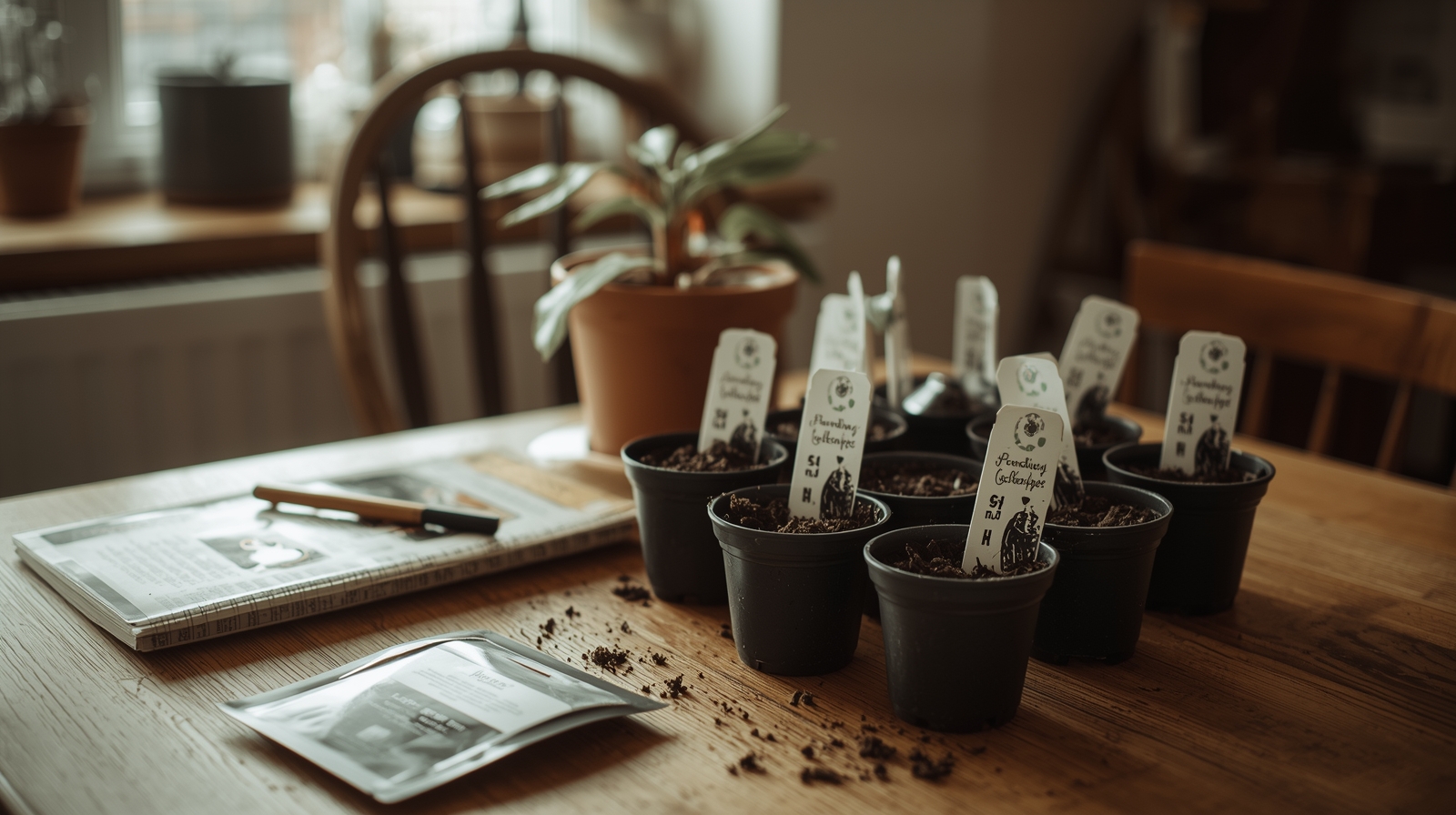
    • Label everything (future-you will thank you)
    • Once they have a few true leaves: pot up or thin gently

    A gentle reminder

    You don’t need to start all the seeds. Even one tray is enough to feel like spring is on the way.

    If you try one thing this week, let it be: celery or leeks (slow growers) or microgreens (fast win).

    Happy seed-starting 💛

  • A Tiny Herb Garden Indoors: 6 Easy Herbs You Can Start From Seed

    A Tiny Herb Garden Indoors: 6 Easy Herbs You Can Start From Seed

    When the garden season still feels “not yet,” I like to bring a little green inside. A tiny herb corner on the kitchen windowsill is one of those small rituals that quietly makes everyday life feel lighter—especially on busy, caregiver-style days when we need something simple that still feels nourishing.

    You don’t need a big setup. You just need a small pot, a bit of light, and a handful of seeds.

    6 easy herbs to grow (beginner-friendly)

    If you’re starting from seed, these tend to be the most forgiving:

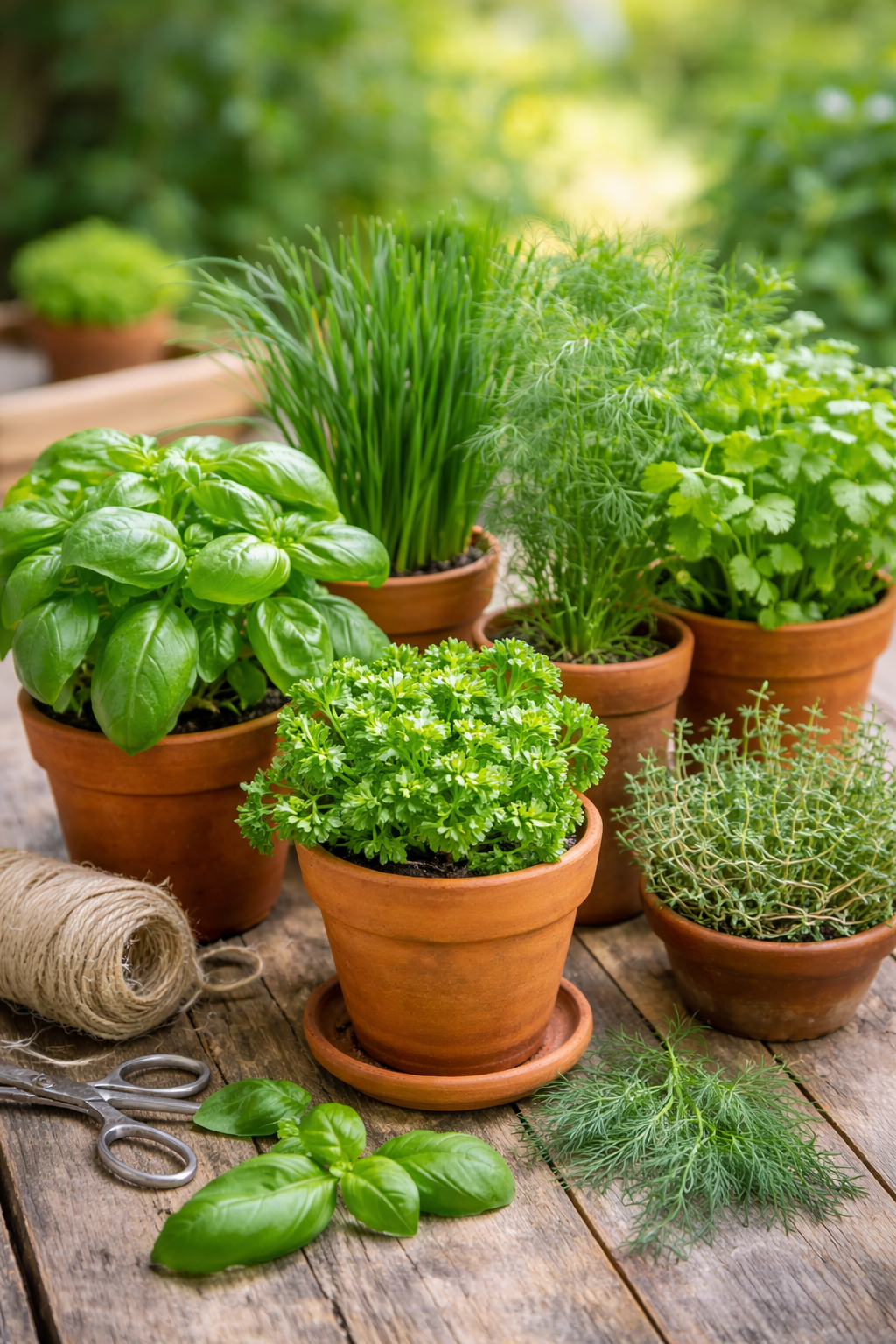
    1. Basil – fast, joyful, smells like summer
    2. Parsley – steady grower, great for soups
    3. Chives – tiny but mighty, perfect on eggs
    4. Dill – lovely for potatoes + salads
    5. Coriander/Cilantro – best in multiple small sowings
    6. Mint – easy, but give it its own pot (it loves to spread)

    (Tip: If you want quick wins, start with basil + chives.)

    A simple windowsill setup (no-fuss list)

    Here’s the “keep it easy” version:

    • Small pots (or one longer planter)
    • Potting soil for herbs/seedlings
    • A tray to protect the windowsill
    • Plant labels (trust me—future you will thank you)
    • Optional: a small grow light if your window is dark

    Tiny tips that make a big difference

    • Light: most herbs want the brightest window you have.
    • Water: keep soil lightly moist—never soggy.
    • Thin seedlings: if too crowded, they grow weak. Keep the strongest ones.
    • Harvest gently: pinch off the top leaves to encourage bushy growth.

    Where I shop seeds + small garden supplies


    When I’m restocking seeds or grabbing small bits for an indoor herb corner, I usually shop here:

    Below are a few quick links to beginner-friendly herbs + the basics (seed trays, pots):

    A gentle finishing ritual

    Make a cup of tea, put on a calm playlist, and plant just one pot today. Tomorrow, plant the next.
    Small green moments count.

    Affiliate disclosure: Some links are affiliate links. If you use them, I may earn a small commission—at no extra cost to you. I only recommend products I’d use myself for a calm, simple home.

  • New Year, New Chaos: Trinidad Moruga Scorpion Edition

    We took the Christmas decorations down… and the house felt weirdly empty.
    So naturally, we decided to start a superhot chili mission. Because that’s what stable people do in January. 🌶️

    This year’s spicy garden dare: Trinidad Moruga Scorpion — one of those peppers that caused a serious stir back in 2012, when it was measured at over 2 million Scoville units in testing.

    I ordered the seeds here: Trinidad Scorpion Moruga seeds.
    Disclosure: This post contains affiliate links. If you buy through them, we may earn a small commission at no extra cost to you.

    If you’ve grown a superhot before, please send tips (and emotional support).
    Next up: starting them indoors without turning the windowsill into a tiny sauna.

  • Chili Seed Starting 101 (For People Who Still Find Glitter in January)

    Chili Seed Starting 101 (For People Who Still Find Glitter in January)

    After we packed away the Christmas decorations, the house felt… suspiciously empty.
    So obviously, we did the only reasonable thing: we started chili season.

    If you’re also craving a little green life in the middle of winter, this is your sign.

    What we’re starting (and why chili is always first):
    Chili peppers are the perfect “tiny victory” plant:

    • they germinate like little drama queens (but it’s worth it)
    • they love warmth
    • and they turn into summer flavor bombs

    What you’ll need (simple version):

    • chili seeds
    • seed-starting mix (light + fluffy)
    • small pots or a seed tray
    • labels (future-you will thank you)
    • a warm spot (or heat mat if your home runs cool)

    Where we got our seeds:
    We ordered ours from chili-shop24 (DE) because they have great varieties and clear descriptions.
    👉 Disclosure: This post contains affiliate links. If you buy through them, we may earn a small commission at no extra cost to you.

    Our cozy step-by-step (no perfection required):

    1. Pre-moisten the soil (damp like a wrung-out sponge)
    2. Plant 2 seeds per cell (insurance policy)
    3. Label immediately (do not trust your memory)
    4. Keep warm + humid (cover helps)
    5. Wait… and then suddenly: tiny green miracles

    Real-life notes (aka what we mess up sometimes):

    • Too much water = sad seeds
    • Too cold = nothing happens for ages
    • Forgetting labels = mystery peppers (fun, but risky)

    What’s next:
    In the next post, we’ll share our first varieties + how we thin seedlings without feeling like a villain.